
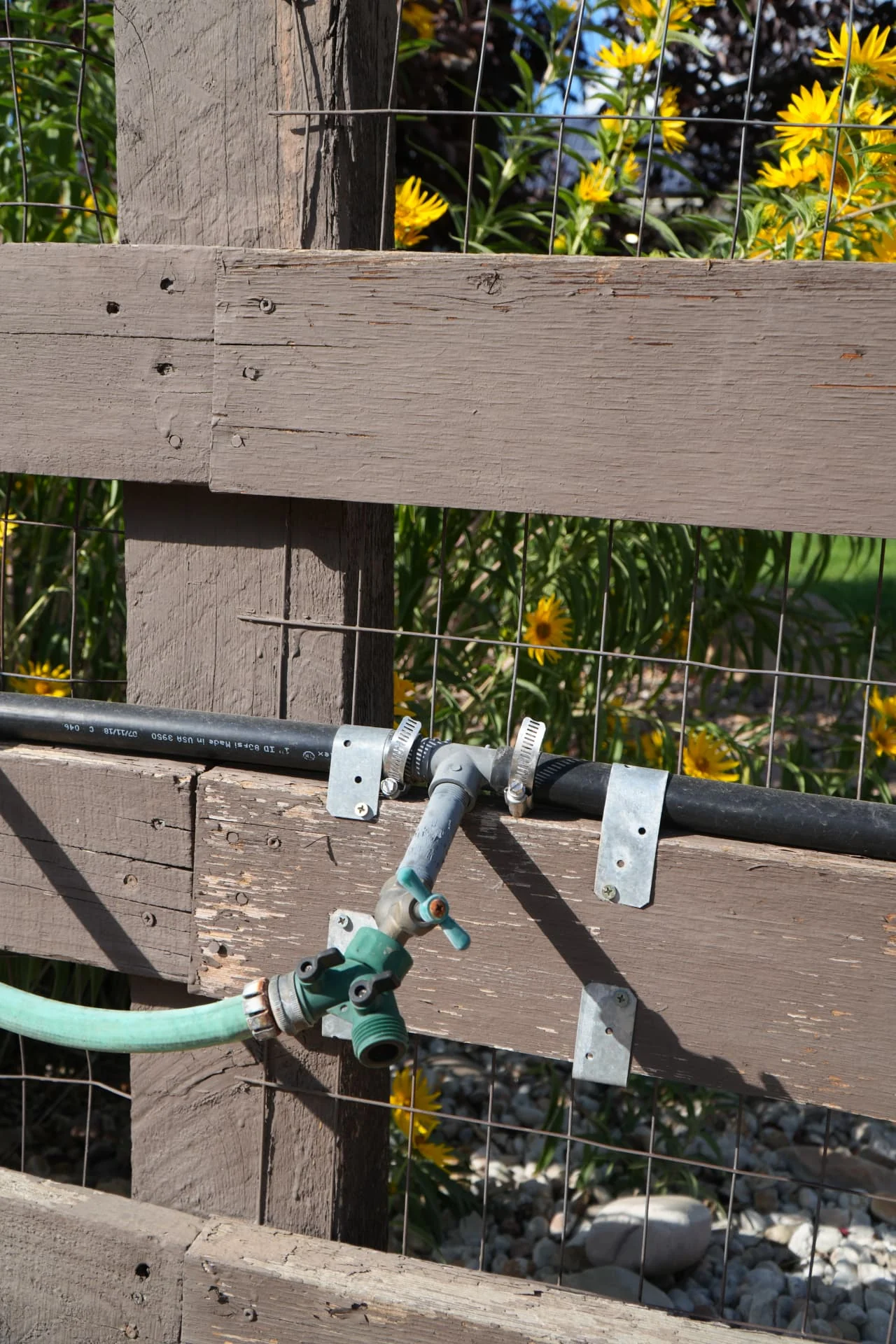
Sprinkler blowout & winterization in Denver
Compressed-air blowouts done zone by zone before the first hard freeze — plus a careful spring start-up when the season turns. Serving the Front Range since 2017.
Winterizing a sprinkler system: water left in the lines is what breaks it
Colorado's freeze-thaw cycle is hard on irrigation. Water that stays in a lateral line, a low spot, or the body of a sprinkler head expands when it freezes, and that expansion cracks plastic, splits pipe, and destroys backflow assemblies. A blowout removes the water so there is nothing left to freeze.
A winterization visit is short, seasonal, and far cheaper than the spring repair list it prevents. We winterize residential sprinkler and drip systems across Denver, Brighton, Greeley, and the surrounding Front Range.
Late Sept – Oct
Ideal blowout window on the Front Range
50–80 PSI
Typical residential blowout air pressure
20–45 min
Most residential systems, start to finish
Every zone
Run until only dry air comes through
Sprinkler blowout: timing, what's included, and how to book
- When should I book a sprinkler blowout in Denver?
- Late September through October, before overnight lows hold below freezing for several nights in a row. Denver Water customers should aim for early October, since lawn watering is prohibited as of October 1, 2026.
- What does a sprinkler blowout service include?
- We shut off and isolate the irrigation supply, blow every zone with compressed air at controlled PSI until only dry air comes through, protect the backflow assembly and low points, and set the controller for winter.
- How do I schedule a sprinkler blowout?
- Call 720-737-6936 or send the form below — we answer Monday through Saturday, 8:00 a.m. to 5:00 p.m. Fall slots fill fast once a cold forecast is in the outlook, so booking ahead is the safer move.
How a sprinkler blow out is done, the right way
Four passes, in this order, every time. Skipping any one of them is how systems still break over the winter.
Step 01
Shut down and isolate the system
We close the main irrigation shut-off inside the home or vault, relieve pressure at the backflow device, and open the test cocks so the assembly is not holding water. Nothing gets blown out until the supply is truly isolated — pushing air against a live supply is how fittings get damaged.
Step 02
Blow each zone out with compressed air
Air is introduced downstream of the backflow assembly and each zone is opened one at a time. We run a zone until the heads go from spray, to mist, to dry air, then move on and repeat the rotation. Volume of air (CFM) does the work here, not pressure — which is why a small shop compressor cannot properly clear a residential lawn system.
Step 03
Protect the backflow and low points
The backflow device, drain valves, and any exposed above-ground piping get drained and left in the correct winter position. Low spots and long laterals get a second pass, since that is where water hides and where split lines show up in April.
Step 04
Set the controller down for winter
The timer goes to the off or rain setting so no zone tries to run mid-winter, and your programs stay saved for spring. We note anything we saw during the blowout — a weak zone, a crooked head, a valve that was slow to close — so it is on the list before next season.
Denver Sprinkler Blowout Checklist
Save the steps before your service call. This printable two-page PDF covers what to do before the appointment, what a proper compressed-air blowout looks like zone by zone, what should happen afterward, and the winter damage to watch for at spring start-up.
- What to prep before the tech arrives
- The zone-by-zone blowout sequence
- Correct PSI and air volume notes
- Backflow and low-point protection
- Controller settings for winter
- Spring start-up and damage signs
When to winterize, and when to start back up
Late September through October
This is the window for most Front Range properties. You want the system dry before overnight lows sit below freezing for several nights in a row, not after the first cold snap.
Don't wait for the first hard freeze
Water expands as it freezes. One hard freeze on a full system is enough to crack heads, split lateral lines, and ruin a backflow assembly — repairs that cost far more than the blowout would have.
Spring start-up: mid-April into May
Once the risk of a sustained hard freeze has passed, we pressurize slowly and test zone by zone. Charging a cold system too early can refreeze the lines and undo the winterization entirely.
What winter damage looks like
If a system went into winter full, the damage usually surfaces the moment it is pressurized again. These are the failures we find most often:
Cracked or blown-apart sprinkler heads
Split lateral lines under the lawn
Leaking or seized zone valves
A failed backflow prevention assembly
Low pressure or a zone that will not run at all
Soggy patches that appear before you ever water
We repair all of it — sprinkler repair and leak detection, timers and controllers, and backflow prevention.
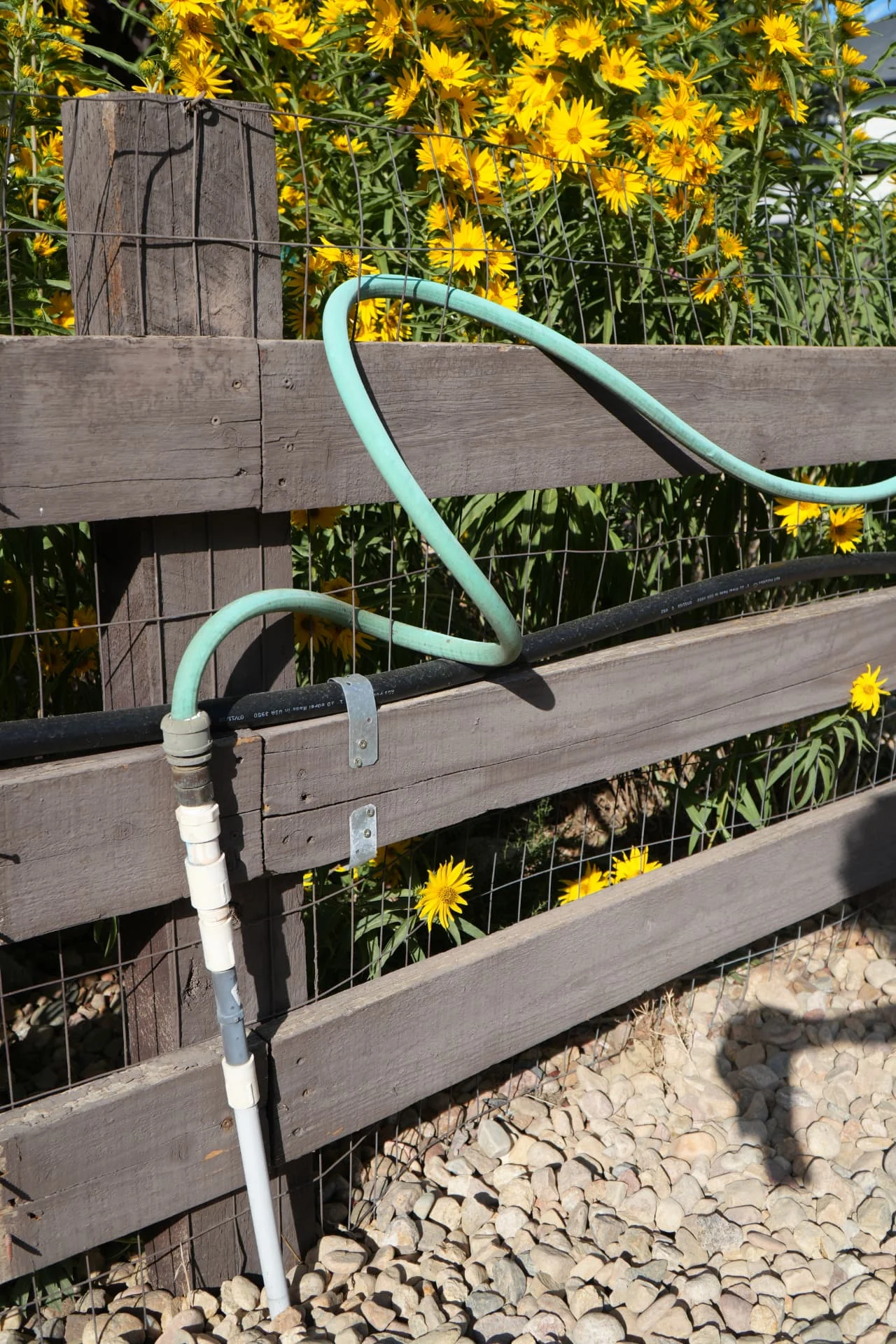
What's included when we turn the system back on
- Supply reopened slowly so the system charges without pressure shock
- Backflow assembly returned to service and checked for weeping
- Every zone run and watched head by head
- Heads straightened, cleaned, and re-aimed off the sidewalk and siding
- Coverage and pressure checked for dry corners and misting
- Controller reprogrammed for the season, by zone
- Any winter damage documented before the lawn needs steady water
Sprinkler winterization questions, answered
- What is included in a sprinkler system blowout service?
- Our sprinkler system blowout service shuts off and isolates the irrigation supply, connects a compressor at the correct point, and clears each zone one at a time at controlled pressure until only mist comes out. We protect the backflow assembly, set the controller to off or rain mode, and note any broken heads or leaks we see so they can be fixed before spring.
- Do Denver Water customers need to shut sprinklers off earlier in 2026?
- Yes. Denver Water's board amended its Stage 1 drought resolution on August 26, 2026 to prohibit lawn watering as of October 1, 2026, while hand-watering of trees and gardens is still allowed. That makes an early-October blowout a natural fit for Denver Water customers this year. Check denverwater.org for the latest rules.
- When should you blow out sprinklers in Colorado?
- For Denver and the Front Range, late September through October is the right window. The goal is to have the system dry before overnight temperatures hold below freezing for several nights in a row. Scheduling early in the fall also keeps you out of the rush that follows the first cold forecast.
- How much PSI does it take to blow out a sprinkler system?
- Residential blowouts are done at a relatively low pressure — generally around 50 to 80 PSI, kept below the rating of the system's fittings, heads, and valves. Air volume matters far more than pressure, which is why professional blowouts use a high-CFM compressor rather than a small tank compressor.
- Can I just drain my sprinklers instead of blowing them out?
- Draining alone usually leaves water sitting in low spots, long laterals, and the sprinkler heads themselves, and that trapped water is what breaks components over the winter. A compressed-air blowout clears those pockets zone by zone and includes isolating the supply and protecting the backflow device.
- How long does a sprinkler blow out take?
- Most residential systems take roughly 20 to 45 minutes depending on how many zones you have and how the system is plumbed. Larger properties with many zones take longer because each zone gets multiple passes until only dry air comes through.
- What happens if my sprinklers were never winterized last fall?
- The usual winter damage is cracked heads, split lateral lines, leaking valves, and a failed backflow assembly. Sometimes it is obvious at start-up and sometimes it shows up as low pressure, a soggy area, or a dead zone. A careful spring start-up finds those problems before they waste water all season.
- Do you also handle the spring sprinkler start-up?
- Yes. We pressurize the system slowly, return the backflow assembly to service, run and watch every zone, adjust and clean heads, check coverage, and reprogram the controller for the season. Anything that needs repair is identified and reported before the watering season gets going.
- Do you winterize systems outside of Denver?
- Yes. Calaway Sprinkler is based in Brighton and serves the greater Denver area and the northern Front Range, including Thornton, Brighton, Broomfield, Westminster, Arvada, Longmont, Erie, Firestone, Frederick, Loveland, Windsor, and Greeley.
Sprinkler blowout service near you across Denver and the Front Range
Based in Brighton, serving 47 Colorado communities from Denver to Greeley.
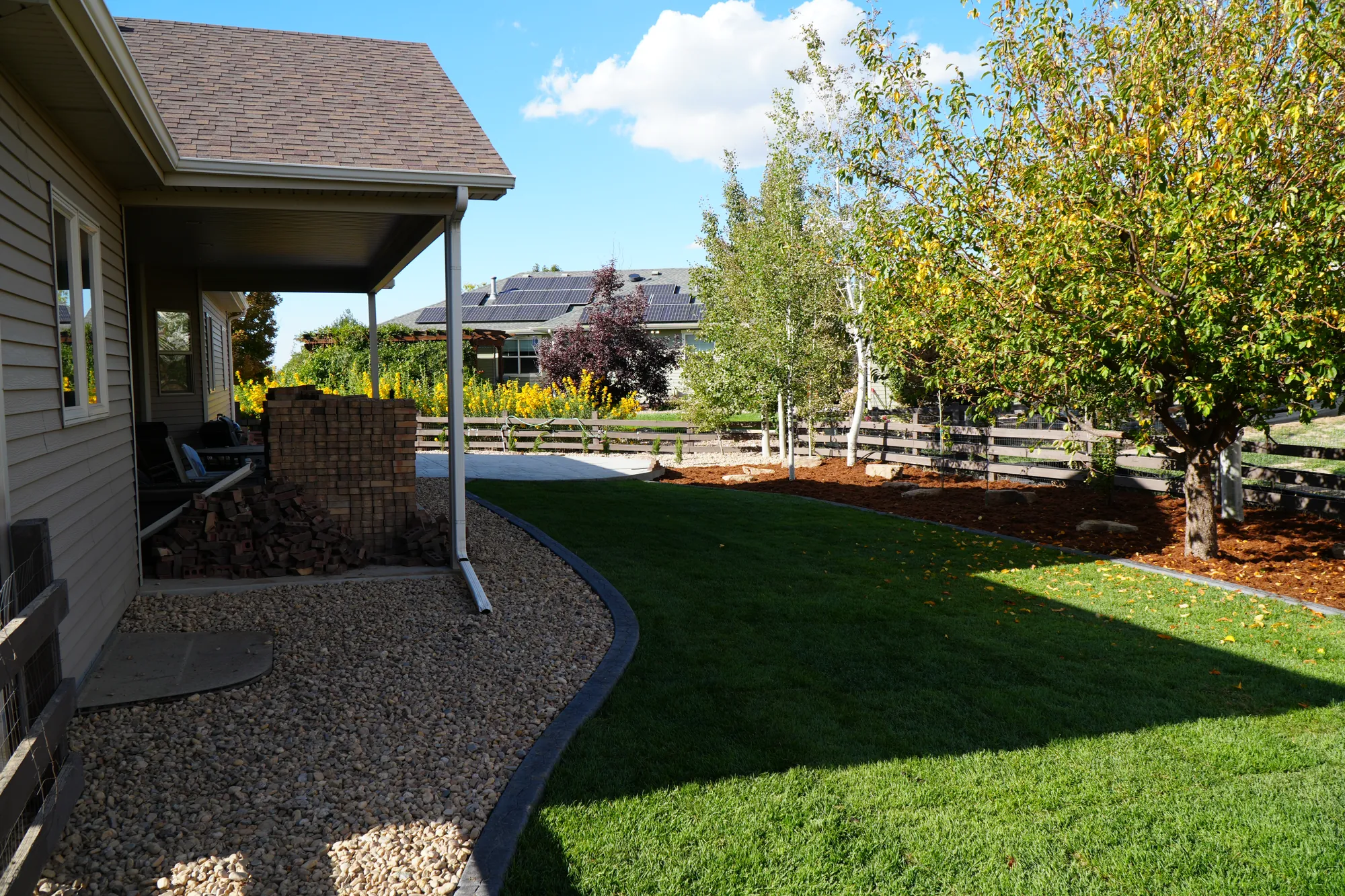
Loved by homeowners across the Front Range
Two decades of craft, hundreds of yards transformed. Hear directly from the families we've served across Denver and the surrounding communities.
15+ Years
of craftsmanship
Licensed & Insured
fully credentialed
100% Guarantee
satisfaction promise
5.0 Rated
500+ happy clients
Watch · Brand Reel
Inside a Calaway transformation
A two-minute look at the design, install, and final reveal — from first walkthrough to last bloom.
Client reviews
Real stories, real yards
"Calaway redesigned our backyard from scratch. The team was punctual, professional, and the results are stunning."
Sarah M.
Denver, CO
01 / 06
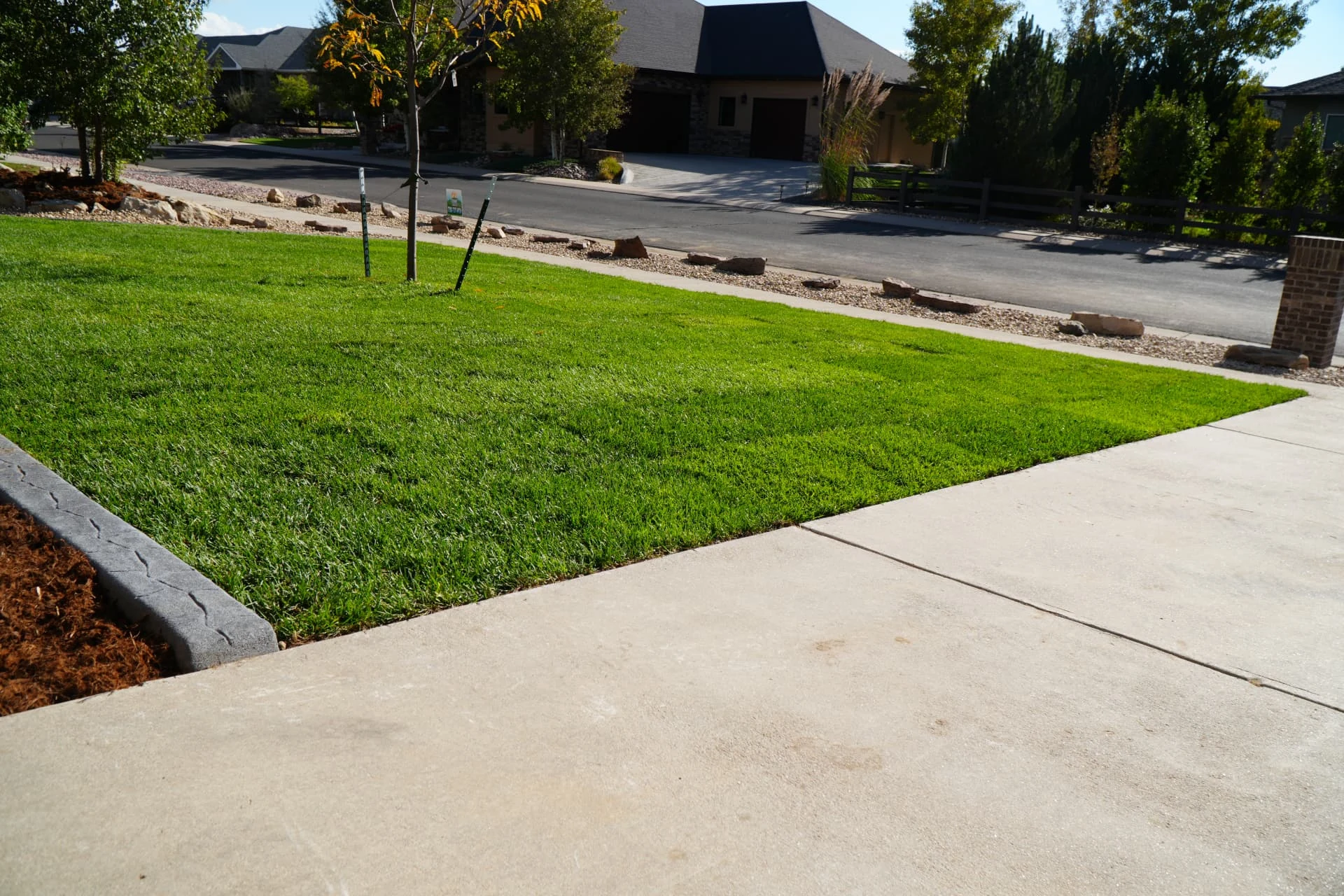
Get Your Sprinkler Blowout Scheduled
Fall blowout slots fill fast once the first cold forecast lands. Reach out and we'll get your system winterized on time — or booked for spring start-up.
Call
(720) 737-6936
calawaysprinkler@yahoo.com
Hours
Mon–Sat · 8am–5pm
Service area
Greater Denver, CO
Request a Quote
Tell us about your project
A few quick details and we'll be in touch within one business day with next steps and a free on-site visit.
Landscapes worth coming home to.
Two decades of craft, hundreds of yards transformed across the Front Range.