
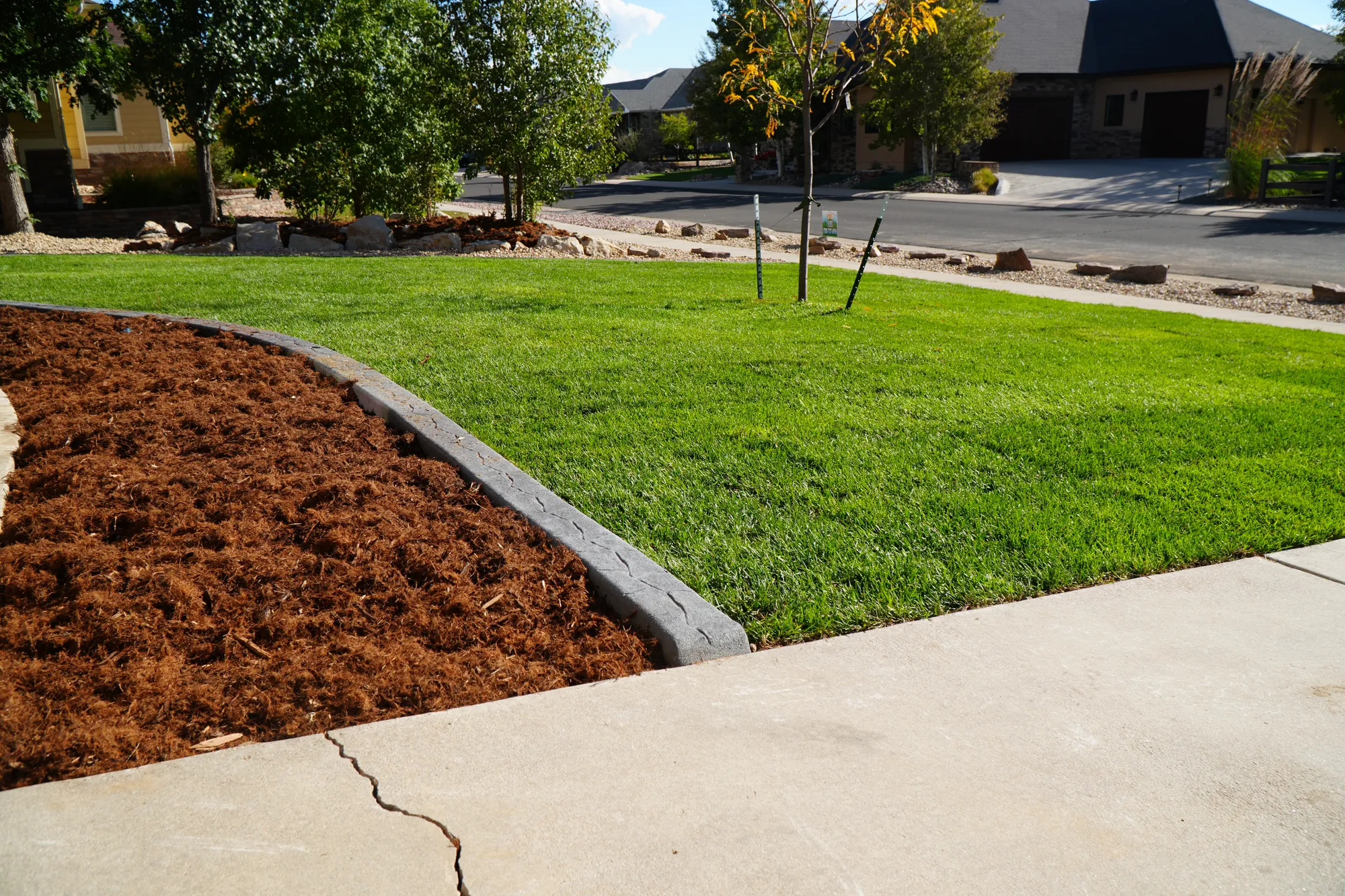
Sprinkler repair in Denver
Leak detection, head and valve replacement, broken lines, wiring, and low pressure — diagnosed zone by zone before anything gets dug up. Serving the Front Range since 2017.
Most sprinkler problems look the same from the surface
A dead zone, a soggy patch, a head that dribbles instead of sprays — each of those has several possible causes, and they are not all in the pipe. Sprinkler system repair goes wrong when someone starts digging before testing. We check the controller signal, the valve, and the pressure at the zone first, so the repair matches the actual fault.
We handle residential sprinkler repair and irrigation leak detection across Denver, Thornton, Brighton, Greeley, and the surrounding Front Range. Service hours are 8:00 to 5:00, Monday through Saturday.
Meter first
Leak confirmed before any excavation
Zone by zone
Pressure and signal tested at each valve
500+ homes
Denver-area properties served since 2017
8–5, Mon–Sat
When you can reach our team
What your sprinkler system is telling you
Find the symptom you are seeing. The likely cause — and how we confirm it — is right underneath it.
One zone won't turn on
Usually a valve problem rather than a pipe problem — a failed solenoid, debris holding the diaphragm open, or a broken wire between the controller and the valve box. We test the solenoid at the valve and the signal at the controller before anything gets dug up, so the repair matches the actual fault.
A head geysers or bubbles at the base
The head has been cracked, sheared off by a mower or a vehicle, or the riser and fitting underneath it have failed. Sheared heads waste an enormous amount of water fast. We replace the head and the riser, reset the height so it sits flush with the turf, and re-aim the spray off the sidewalk and siding.
Low pressure or heads that only mist
Misting means pressure is too high at the nozzle; weak throw means it is too low. Causes range from a partly closed main valve or clogged nozzles and filters to too many heads on one zone, or a break upstream bleeding pressure. We measure at the zone instead of guessing and correct the cause, not the symptom.
Soggy patches when the system is off
Water pooling with no zone running points to a leak on the pressurized mainline or a valve that is not sealing shut. This is the leak that quietly runs up a water bill 24 hours a day. We isolate the section, locate the break, and expose only what we need to repair it.
A zone runs when it shouldn't
Either the controller program is overlapping start times or a valve is stuck open from grit or a worn diaphragm. We clean or rebuild the valve as needed and rewrite the program zone by zone so run times match what the plants and turf actually need.
Nothing works right after winter
Classic freeze damage: split lateral lines, blown apart heads, a seized valve, or a failed backflow assembly. We work through the system zone by zone at spring start-up and document everything before the lawn needs steady water.
How we find an irrigation leak without tearing up the yard
Sprinkler leak detection is a process of elimination, worked from the meter inward. Every step narrows the search, so the digging is the last thing that happens and the smallest part of the job.
- Meter check with every zone off to confirm whether the system is losing water at all
- Zone-by-zone isolation to narrow the loss to a single valve or lateral
- Pressure readings at the zone to separate a break from a pressure or nozzle issue
- Valve box inspection for weeping fittings, grit in the diaphragm, and wiring faults
- Surface tracing of wet spots, sinking turf, and unusually green streaks
- Targeted excavation of the smallest area needed to reach and repair the break
- Full run-through afterward, head by head, so no second leak gets missed
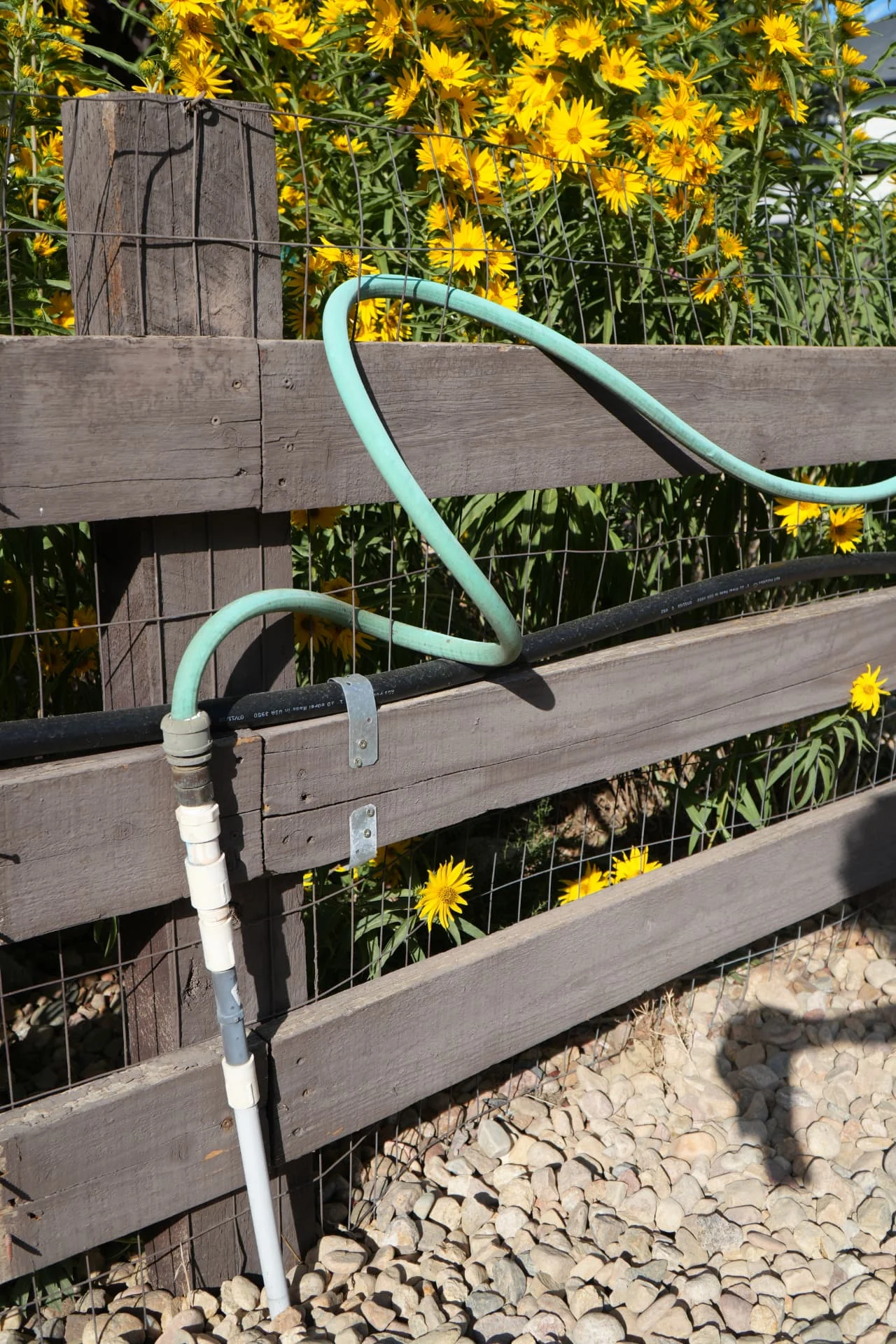
Sprinkler and irrigation repairs, start to finish
- Sprinkler head replacement — spray, rotor, and sheared-off heads
- Riser, nozzle, and filter replacement, with spray pattern reset
- Zone valve repair, rebuild, and solenoid replacement
- Broken lateral line and mainline repair
- Underground wiring and controller signal troubleshooting
- Controller and timer replacement and reprogramming
- Backflow assembly repair and testing coordination
- Drip line, emitter, and drip zone repairs
- Head relocation and coverage corrections after landscaping work
A refined process,
from first call to final bloom
Every project follows a deliberate rhythm — listen first, design carefully, install with craft. Hover any step to preview that phase.
Discovery
Schedule an Appointment
We listen carefully on the first call — site context, lifestyle, and the look you're chasing all shape the brief.
Why Denver systems fail the way they do
Freeze-thaw is the main culprit here
The Front Range swings above and below freezing repeatedly through the shoulder seasons. Water trapped in a lateral or a head body expands each time it freezes, which is why so much of our repair work shows up in April on systems that were never properly blown out.
Heavy clay soil hides leaks
Much of the Denver metro sits on tight clay that drains slowly. A break can saturate sideways and surface several feet from the actual damage, so tracing matters more than digging. Clay also means cycle-and-soak run times work far better than one long soak.
Repairs and watering rules go together
Many Front Range cities limit watering days and hours. A leaking zone or a head throwing water onto concrete wastes your limited window. Fixing coverage often does more for a struggling lawn than adding run time it is not allowed to use.
Repairs often pair with sprinkler blowouts and winterization, sprinkler & drip irrigation systems, timer replacement, and backflow prevention.
Sprinkler repair questions, answered
- What affects the cost of a sprinkler repair?
- We don't publish flat prices because the cost depends on what is actually wrong. The biggest factors are how long it takes to find the problem (a visible broken head is quick; a hidden underground leak takes diagnosis), how many parts are involved, how deep the line is and what sits on top of it (turf, rock, concrete, or mature plantings), whether the fault is a single head or a valve, wire, or mainline, and whether older mixed parts need to be matched. We explain what we found and what the repair involves before we start the work.
- Do you offer irrigation leak detection?
- Yes. We track down hidden sprinkler and irrigation leaks, not just repair the ones you can see. We confirm the loss at the water meter, isolate it zone by zone, read pressure at the valve, and use surface clues to pinpoint the spot, so we only open the ground where the leak actually is.
- How do you find a sprinkler system leak underground?
- We start at the water meter with every zone off to confirm the system is actually losing water, then isolate one zone at a time to narrow the loss down to a single valve or lateral line. Pressure readings at the zone separate a real break from a nozzle or pressure problem, and surface clues — sinking turf, a wet strip, an unusually green streak — point to the spot. Only then do we open up the smallest area needed to make the repair.
- Why is one sprinkler zone not working when the others run fine?
- When a single zone is dead and the rest are healthy, the problem is almost always electrical or at the valve rather than in the pipe. The usual causes are a burned-out solenoid, a broken or corroded wire splice in the valve box, debris holding the valve diaphragm, or a controller station that has failed. Each of those is testable, which is why we check the signal and the solenoid before doing any digging.
- Why is water bubbling up around a sprinkler head?
- Water welling up at the base of a head instead of spraying through the nozzle usually means the head has cracked, the riser below it has snapped, or the fitting at the lateral has failed — often after a mower, a vehicle, or frost heave hit it. It wastes water quickly and can soften the soil around it, so it is worth fixing right away rather than at the end of the season.
- Can a sprinkler leak raise my water bill much?
- Yes. A leak on the pressurized mainline or a valve that will not seal runs continuously, not just during your watering window, so it can move a bill noticeably in a single billing cycle. A sheared head loses water at a high rate during every scheduled run. If your bill jumped without a change in your schedule, an irrigation leak is one of the first things worth ruling out.
- Should sprinkler repairs happen in spring or fall?
- Both seasons matter for different reasons. Spring start-up is when freeze damage from the winter shows itself, so that is the time to catch split lines, broken heads, and seized valves before the lawn depends on regular water. Fall is the time to fix anything you noticed during the season and then get the system winterized, since a known weak spot only gets worse over a Colorado winter.
- Do you repair systems you didn't install?
- Yes. Most of our repair work is on existing residential systems, including older systems with mixed parts from several previous repairs. We work through what is actually in the ground zone by zone and match components to what is already there wherever it makes sense.
- What areas do you cover for residential sprinkler repair?
- We are based in Brighton and repair residential sprinkler and drip systems across 47 Front Range communities, from Denver and Thornton up through Brighton and Greeley. Service hours are 8:00 to 5:00, Monday through Saturday.
Residential sprinkler repair near you across Denver and the Front Range
Based in Brighton, serving 47 Colorado communities from Denver to Greeley.
Loved by homeowners across the Front Range
Two decades of craft, hundreds of yards transformed. Hear directly from the families we've served across Denver and the surrounding communities.
15+ Years
of craftsmanship
Licensed & Insured
fully credentialed
100% Guarantee
satisfaction promise
5.0 Rated
500+ happy clients
Watch · Brand Reel
Inside a Calaway transformation
A two-minute look at the design, install, and final reveal — from first walkthrough to last bloom.
Client reviews
Real stories, real yards
"Calaway redesigned our backyard from scratch. The team was punctual, professional, and the results are stunning."
Sarah M.
Denver, CO
01 / 06
Get Your Sprinkler Repair Scheduled
Tell us what the system is doing — a dead zone, a wet spot, weak pressure — and we'll diagnose it zone by zone and fix the cause.
Call
(720) 737-6936
calawaysprinkler@yahoo.com
Hours
Mon–Sat · 8am–5pm
Service area
Greater Denver, CO
Request a Quote
Tell us about your project
A few quick details and we'll be in touch within one business day with next steps and a free on-site visit.
Landscapes worth coming home to.
Two decades of craft, hundreds of yards transformed across the Front Range.