Sprinkler Repair or Replacement in Denver
Another sprinkler problem can leave you wondering whether it is worth paying for another repair. Perhaps the same part of the lawn keeps struggling, or the system no longer seems to match the yard you have today.
For Denver homeowners deciding between sprinkler repair and replacement, the useful question is how much of the system still works properly. One damaged component, several unrelated maintenance needs, and an unsuitable layout are different situations. They should not automatically lead to the same recommendation.
Start with a review of the existing equipment and your plans for the property. A good decision connects the proposed work to a specific problem you want solved.
Ask what is actually failing
The age of the sprinkler system is useful background, but it does not identify the fault. Describe the problem as precisely as you can.
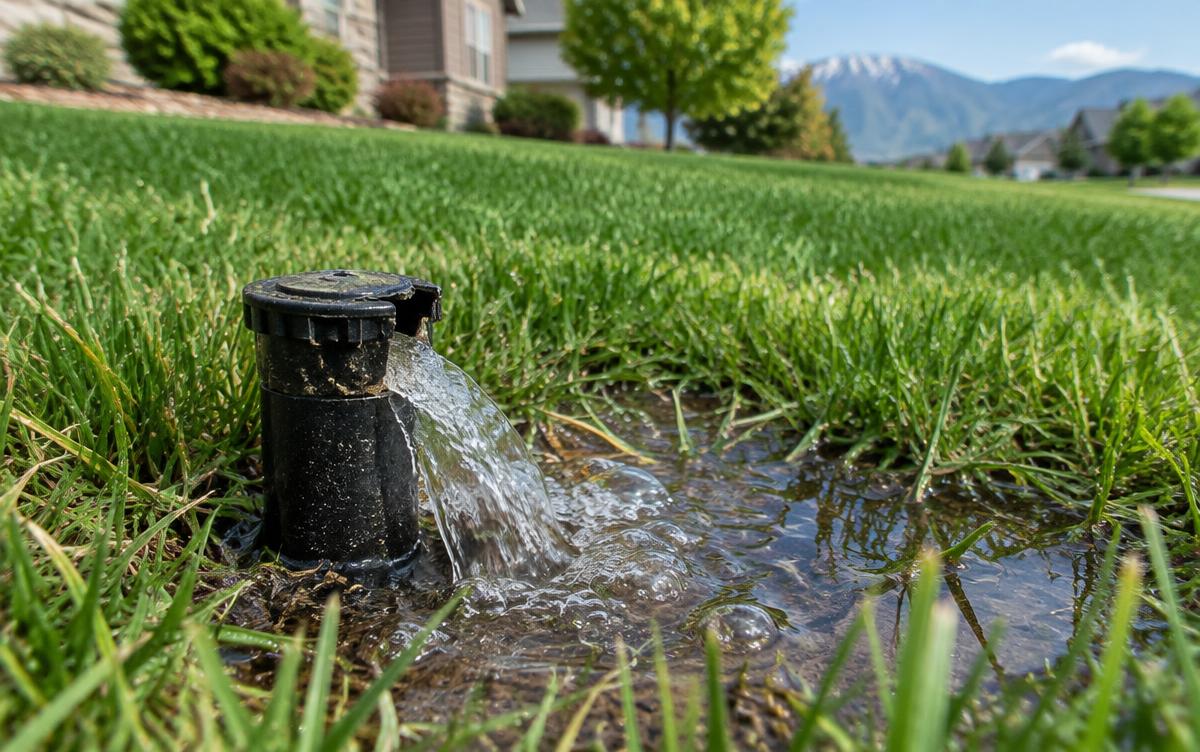
Does one sprinkler spray in the wrong direction? Does one zone fail to run? Have several repairs occurred in the same location? Did trouble begin after a patio or planting bed was added?
Ask the contractor to separate the findings into three groups:
- Components that have a confirmed fault.
- Working components that no longer suit the landscape.
- Equipment that can remain in service.
This makes the recommendation easier to assess. Instead of comparing a vague repair with a vague replacement, you can see which parts of the system each option addresses.
Consider repair when the problem is limited
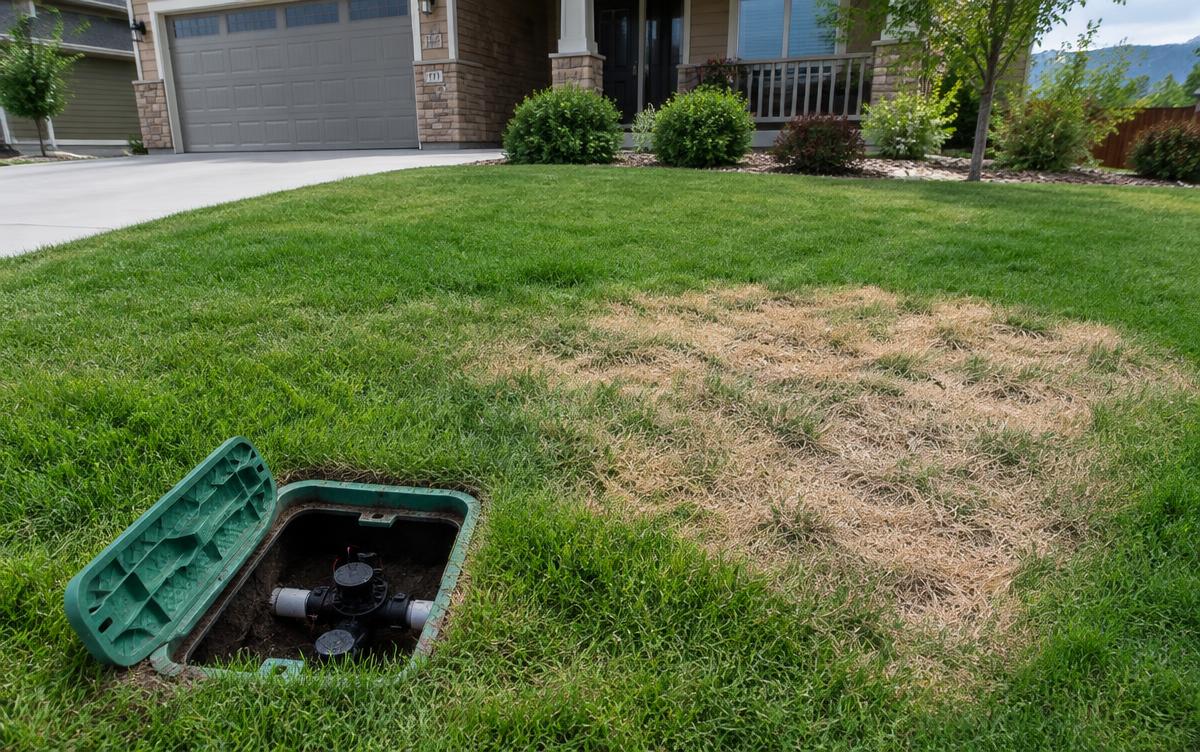
A localized problem may be resolved without changing the entire irrigation layout. Examples include replacing a damaged sprinkler head, repairing a broken connection, or correcting a valve fault.
The key is confirming that the rest of the affected zone works as intended after the repair. A replacement part should not be the end of the evaluation if water still fails to reach the intended area.
The EPA's sprinkler inspection guidance encourages checking for damaged equipment and misdirected spray. Those observations help identify maintenance needs before assuming that a complete replacement is necessary.
Calaway's Denver sprinkler repair service covers heads, valves, broken lines, controller signals, and other residential irrigation faults. An assessment can help establish which repair is relevant to your system.

Look for a targeted upgrade before a full replacement
There may be a middle option between continuing small repairs and replacing everything.
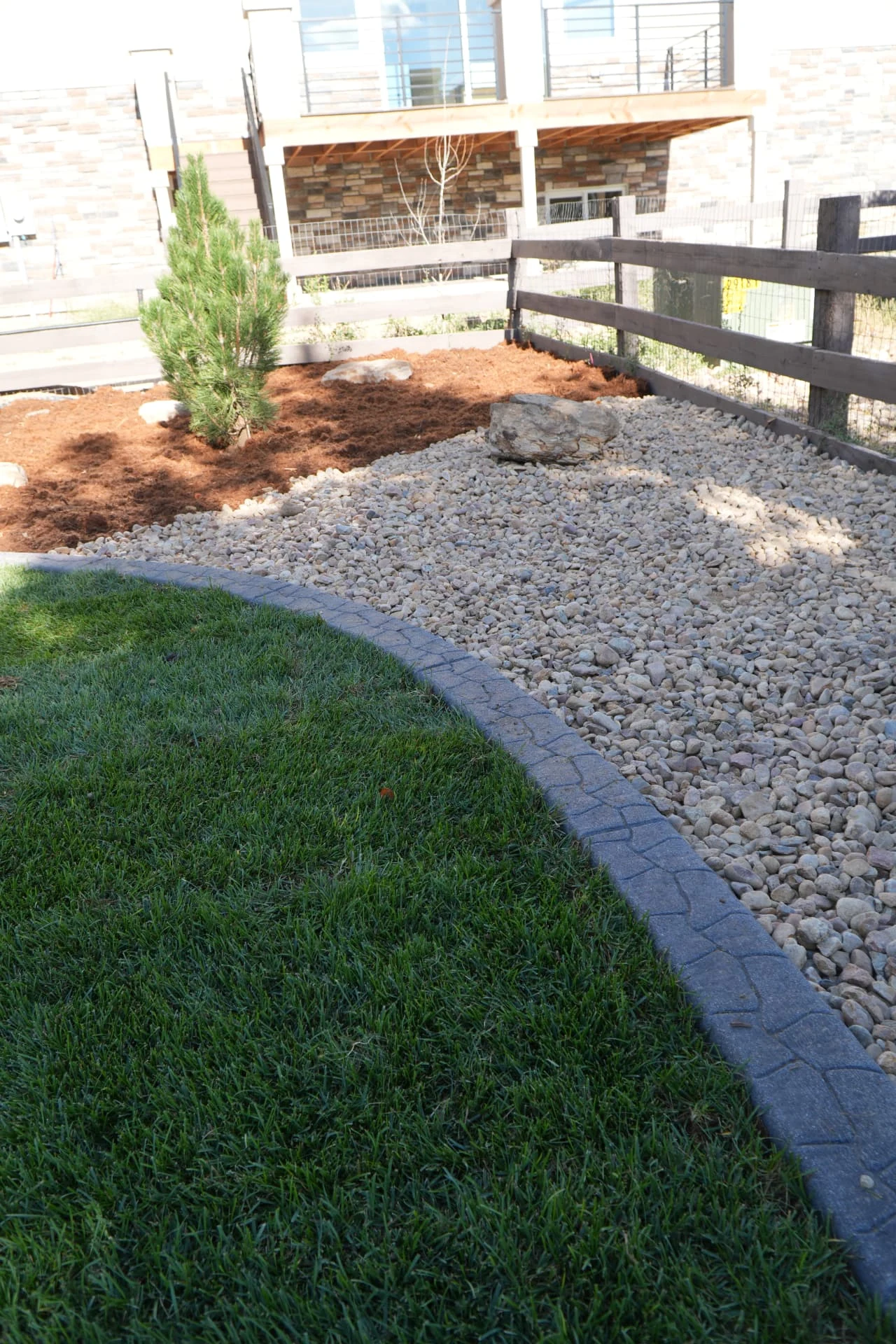
Imagine a yard where the main lawn still waters well, but a former grass strip now contains shrubs. That area has changed even if the rest of the irrigation system remains useful. Ask whether modifying that section would solve the problem.
Possible discussions include changing the watering method for a bed, adjusting coverage around a new landscape feature, or updating an unsuitable controller.
These are options to evaluate, not automatic recommendations. Existing pipework, available flow, pressure, and zone configuration affect what is practical. Calaway's sprinkler and drip irrigation services include upgrades to existing systems.
A focused scope can also make a larger landscape project easier to plan. You can distinguish work needed immediately from changes that depend on a future patio, lawn reduction, or planting project.
Give layout problems their own attention
Working sprinkler heads do not necessarily mean the yard receives even coverage. Head placement, spacing, and spray direction influence where the water goes.
Colorado State University Extension explains the importance of overlapping sprinkler coverage in its watering efficiency guidance. A layout should distribute water across the intended area rather than leave the homeowner compensating for gaps by extending the schedule.
If your landscape has changed substantially, ask the contractor to compare the existing irrigation layout with the current plan. A zone designed around an earlier lawn shape may need more than replacement parts.
For example, a new path can divide one lawn into two smaller areas. Repairing the original heads may restore their operation without resolving the mismatch between the spray pattern and the new boundaries.
Discuss broader replacement when several issues connect
Larger changes deserve consideration when the inspection reveals problems across multiple parts of the system, or when a major landscape renovation makes the old layout unsuitable.
Ask for an explanation of why a broad replacement is recommended. Which existing sections could remain? What problems would remain under a repair-only option? Would the proposed system accommodate the landscape you intend to keep?
There is no need to decide from a single label such as old, inefficient, or outdated. Request the observations behind that label.
If work can be completed in stages, ask how those stages fit together. An inexpensive first phase is less useful if it must be removed to complete the next phase.
Compare estimates using the same scope
Two irrigation estimates can differ because they solve different problems. Before comparing the totals, check what each includes.
Ask about diagnosis, the sections being repaired or replaced, excavation, surface restoration, controller setup, and testing after the work. If one proposal includes moving heads and another only replaces them in their current positions, the outcomes may differ.
Also ask what remains unknown until work begins and how additional findings will be communicated. This helps you evaluate the proposal without expecting certainty about concealed underground conditions.
For a Denver or Lakewood homeowner coordinating irrigation with new landscaping, the sequence matters too. Ask when each contractor needs access and which work should happen before the finished lawn or hardscape is installed.
Make a plan for your Denver sprinkler system
A useful sprinkler assessment should leave you understanding the problem and the available options. Repair can address an isolated fault. A targeted upgrade can adapt a working system. Broader replacement may make sense when the layout and equipment need substantial changes.
Calaway Sprinklers serves Denver and nearby communities, including Arvada, Lakewood, and Westminster. If you are weighing another repair against an irrigation upgrade, contact us to discuss your current system and the changes you want for your yard.
Request a Quote or call 720-737-6936.