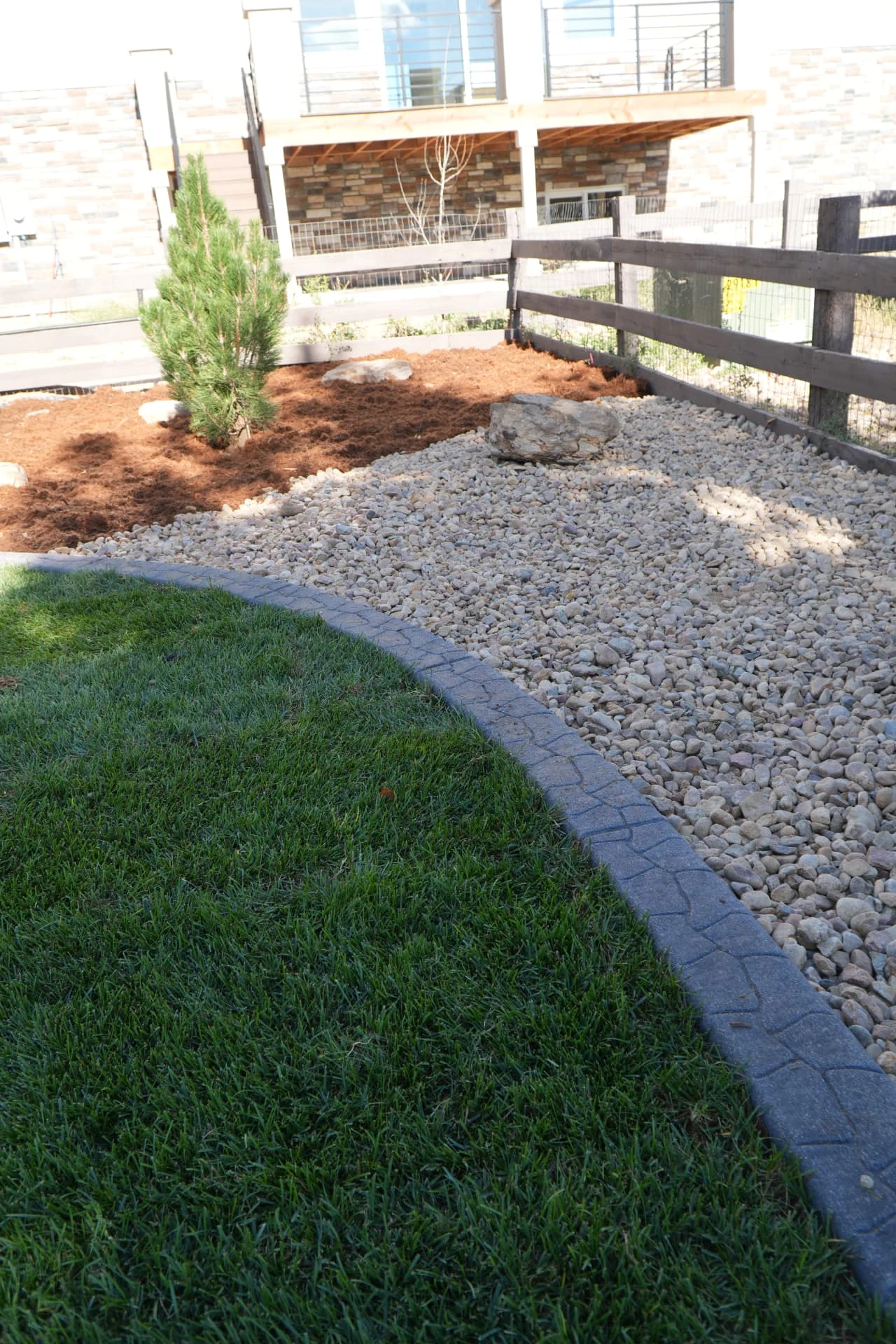
Late-Summer Lawn Stress in Denver: Fix Dry Spots Before They Spread
By late summer, many lawns across Denver, Greeley, and nearby Front Range communities start showing signs of stress. Brown patches, dry edges, thin grass, and soggy spots can all appear after weeks of heat, sun, and regular irrigation use.
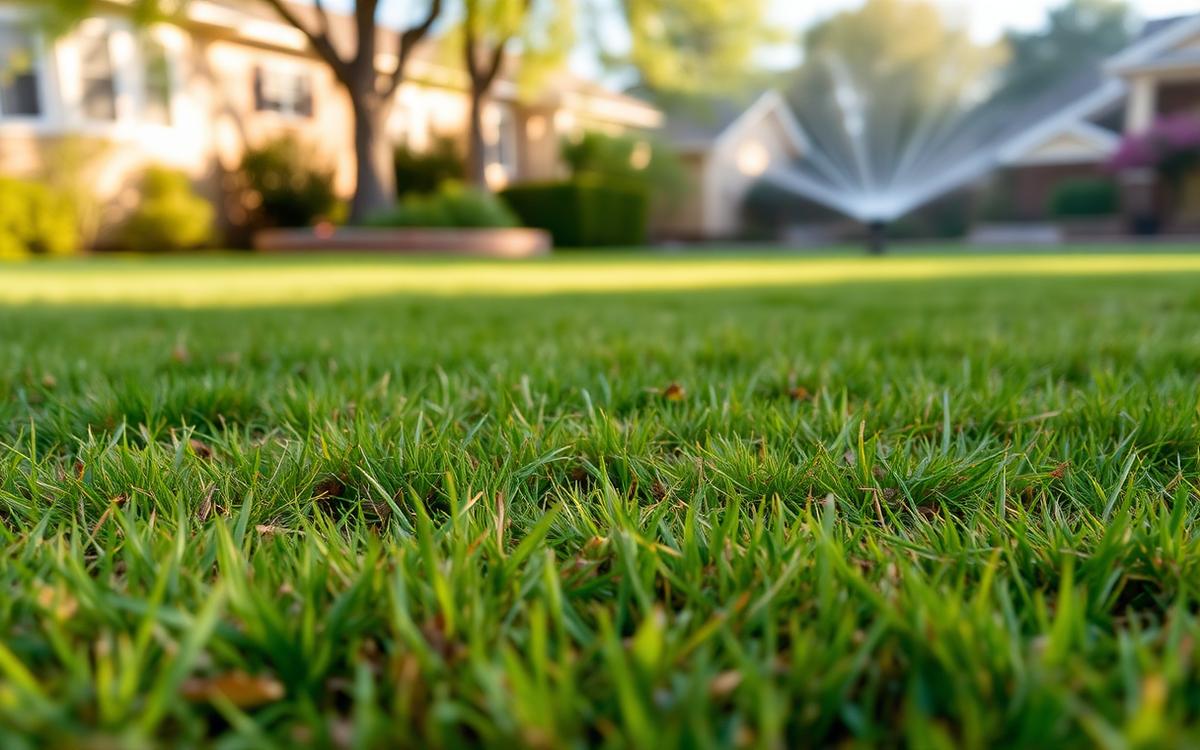
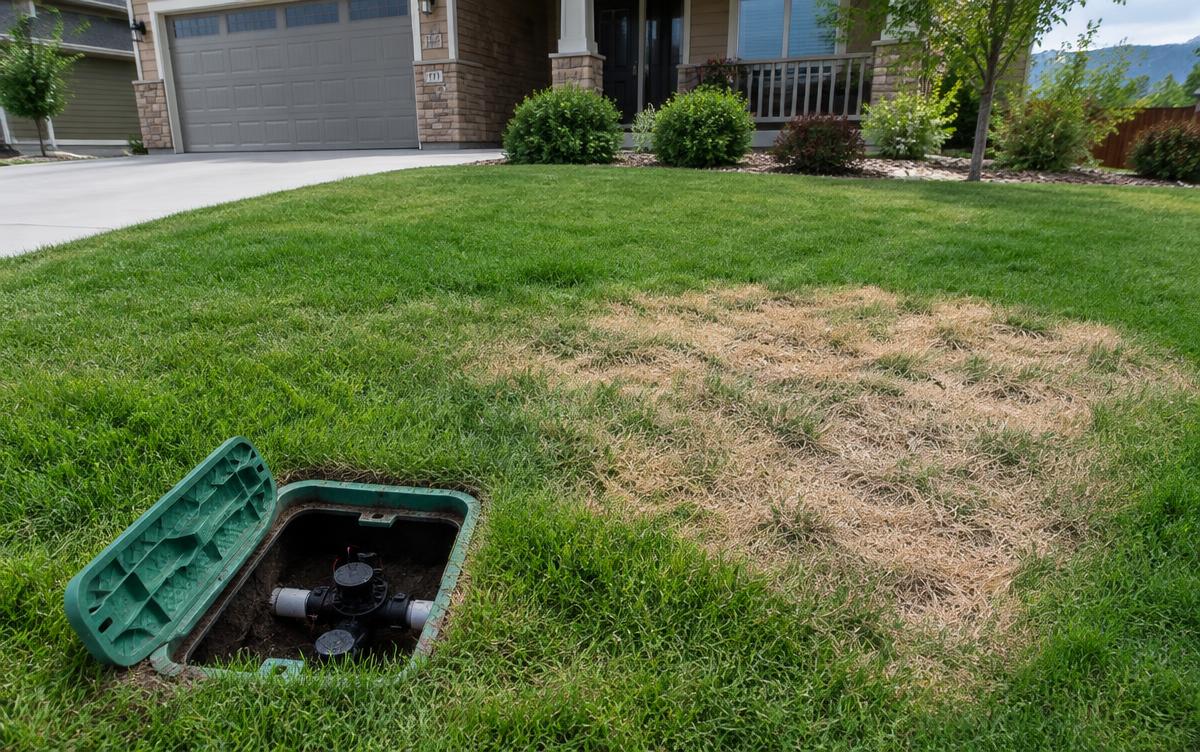
The tricky part is that lawn stress is not always caused by lack of water. Sometimes the real issue is uneven sprinkler coverage, a hidden leak, compacted soil, or a controller schedule that no longer matches the weather.
That is why late summer is a smart time for homeowners to take a closer look at both the lawn and the irrigation system.
Why Lawns Struggle Late in the Season
Even a healthy lawn can start to look tired after hot, dry stretches. Grass may struggle when it receives too little water, but it can also suffer from too much water in the wrong places.
Common late-summer lawn problems include:
- Brown spots in sunny areas
- Dry strips along sidewalks, fences, or driveways
- Soggy patches from leaks or overspray
- Weak sprinkler pressure in one zone
- Grass that looks thin even after regular watering
- Sprinklers spraying concrete instead of turf
If your lawn has uneven color or growth, your sprinkler system may need attention.
Check Sprinkler Coverage Zone by Zone
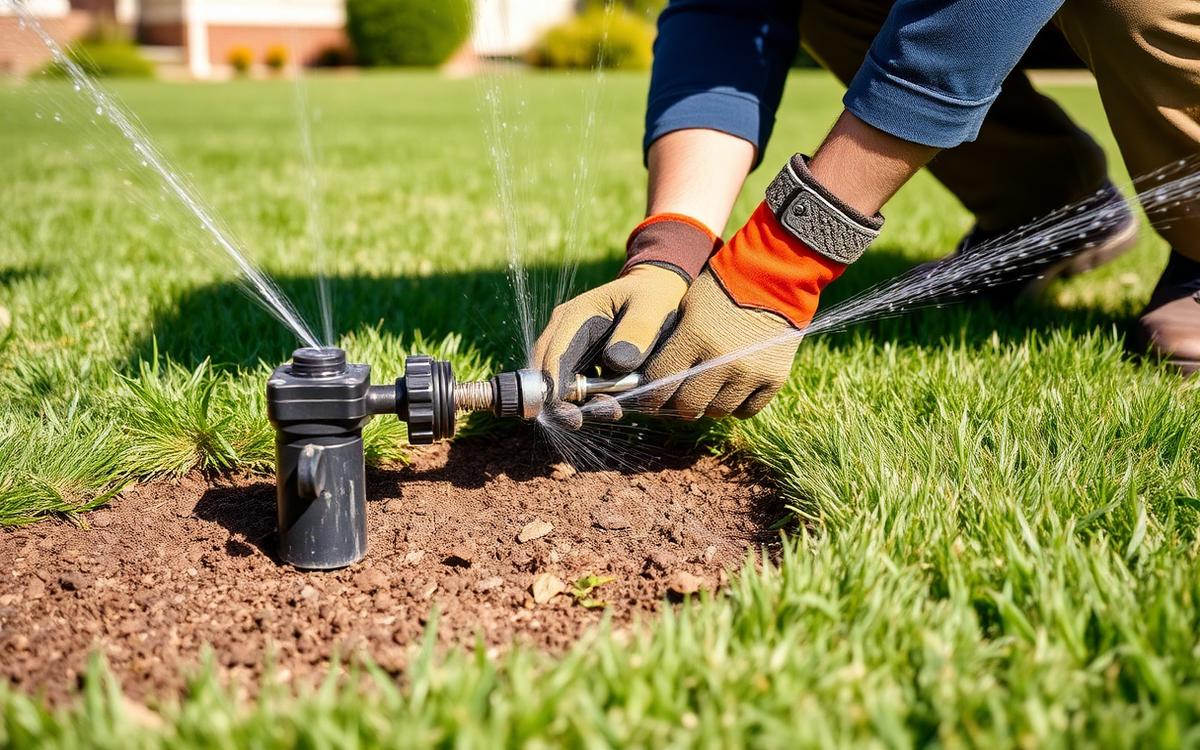
A sprinkler system can turn on every day and still fail to water the lawn properly. One broken head, clogged nozzle, tilted sprinkler, or leaking line can throw off the entire zone.
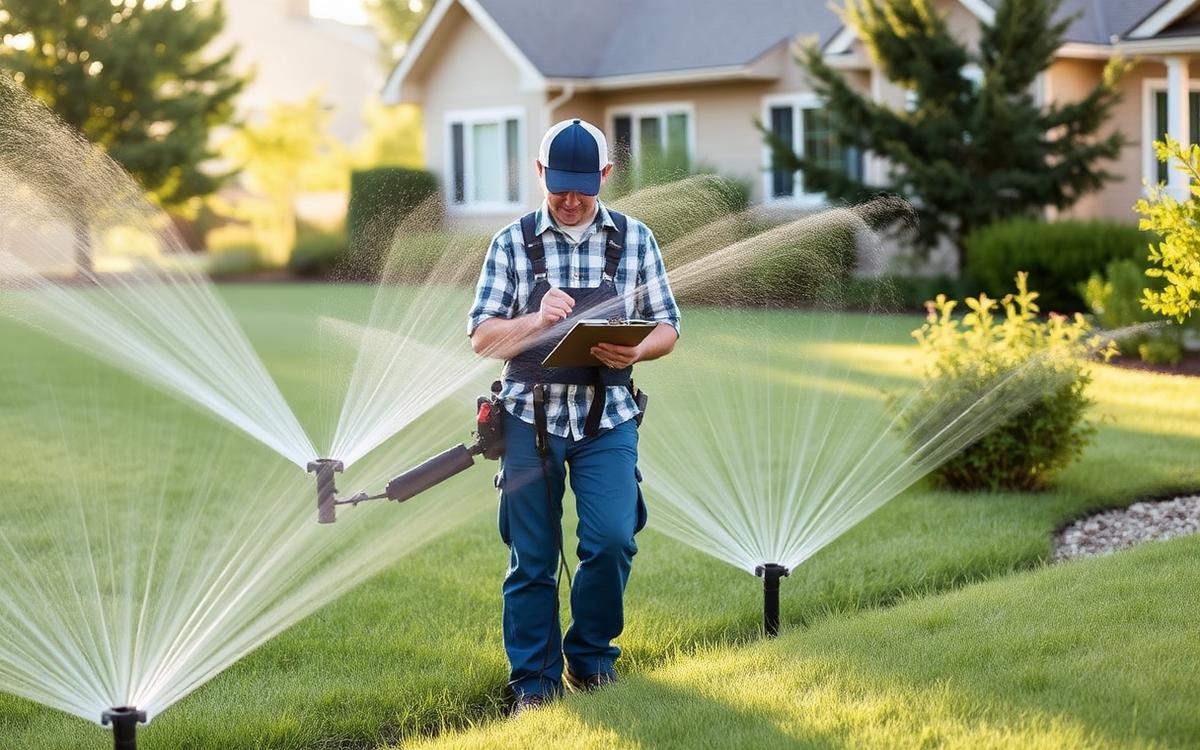
Walk through your yard while each zone is running and look for:
- Sprinkler heads that do not pop up fully
- Water spraying too high or too low
- Heads blocked by grass, plants, or soil
- Water running down the sidewalk
- One section getting soaked while another stays dry
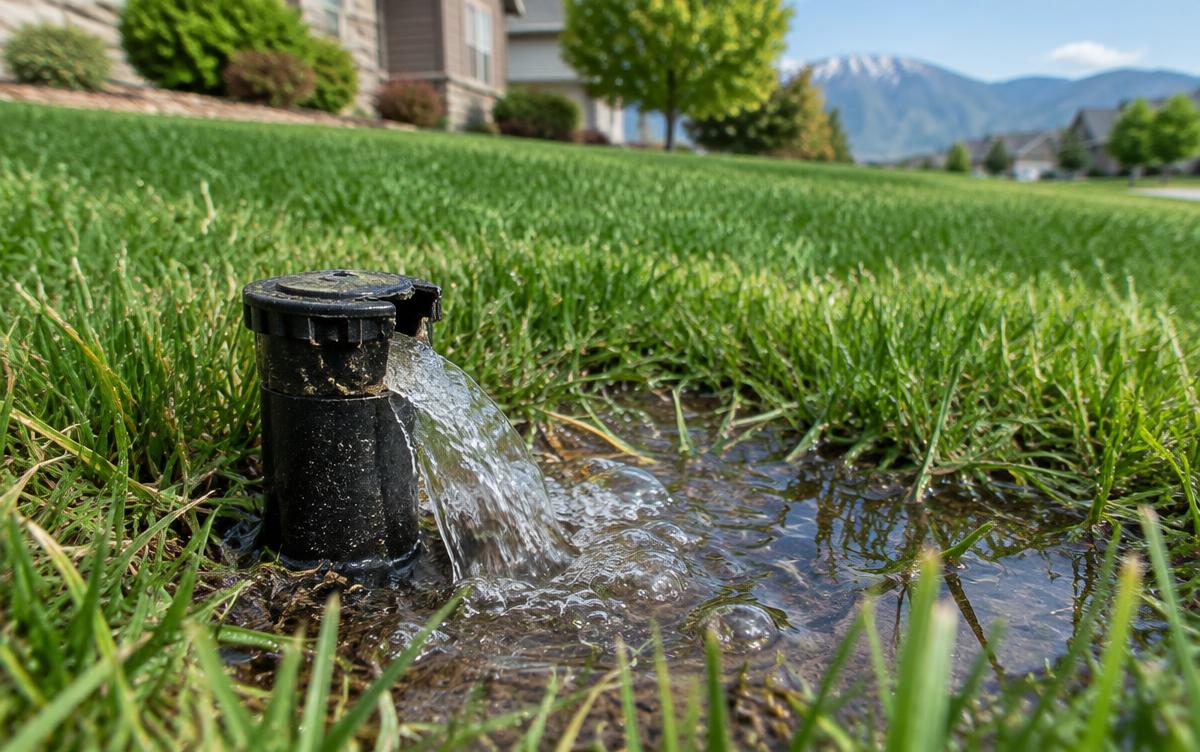
- Bubbling water around a head or valve box
These small issues can quickly turn into brown patches if they are ignored.
Water Smarter, Not Just More
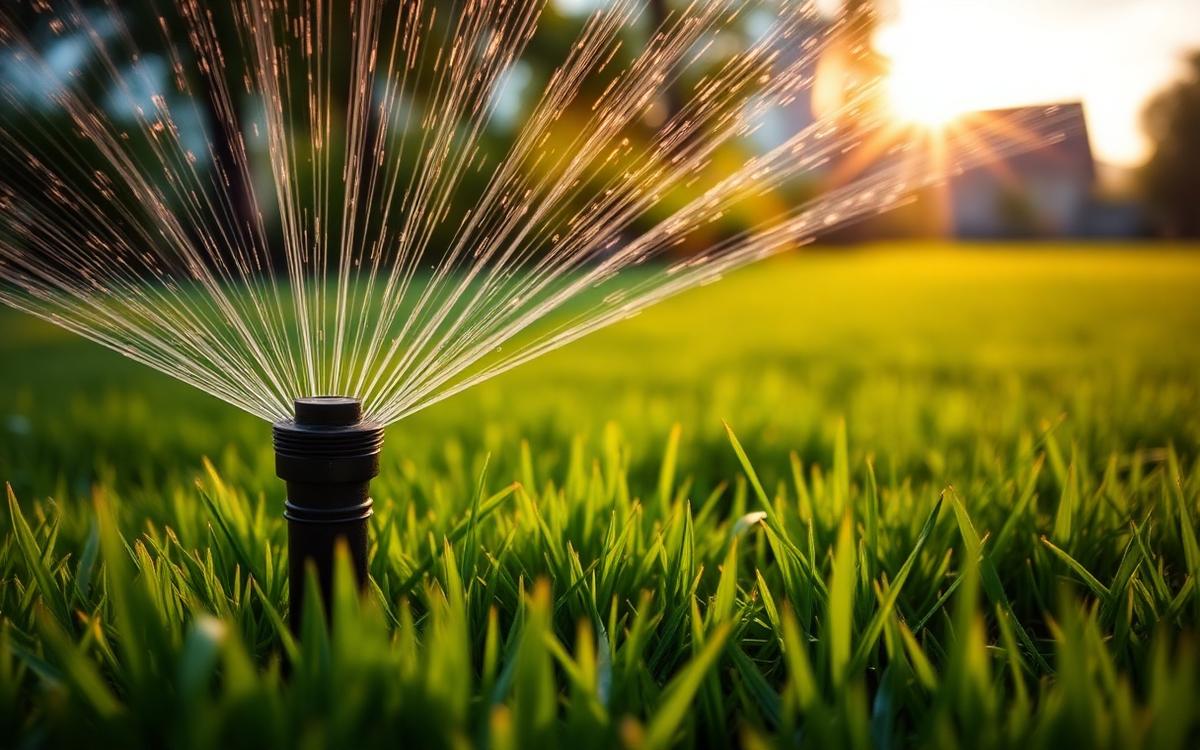
When homeowners see a dry lawn, the first reaction is often to increase watering time. But watering more does not always solve the problem. If the water is not reaching the right area, longer run times may only waste water.
A better approach is to improve efficiency first:
- Fix broken or clogged sprinkler heads
- Repair leaks quickly
- Adjust spray patterns
- Update timer settings
- Use drip irrigation for beds and shrubs
- Avoid watering sidewalks and driveways
Smart irrigation keeps water where it belongs and helps your lawn recover more evenly.
Do Not Ignore Soggy Areas
A soggy area in late summer may seem better than a dry spot, but it can be a sign of a leak. Hidden sprinkler leaks can waste water, damage roots, create muddy patches, and lower pressure for the rest of the zone.
Signs of a sprinkler leak include:
- Wet grass long after watering ends
- Mud around a sprinkler head
- Water pooling near a valve box
- A sudden increase in the water bill
- One sprinkler zone looking weaker than normal
Calaway Sprinklers can inspect the system, locate leaks, and repair irrigation issues before they cause more damage.
Conclusion
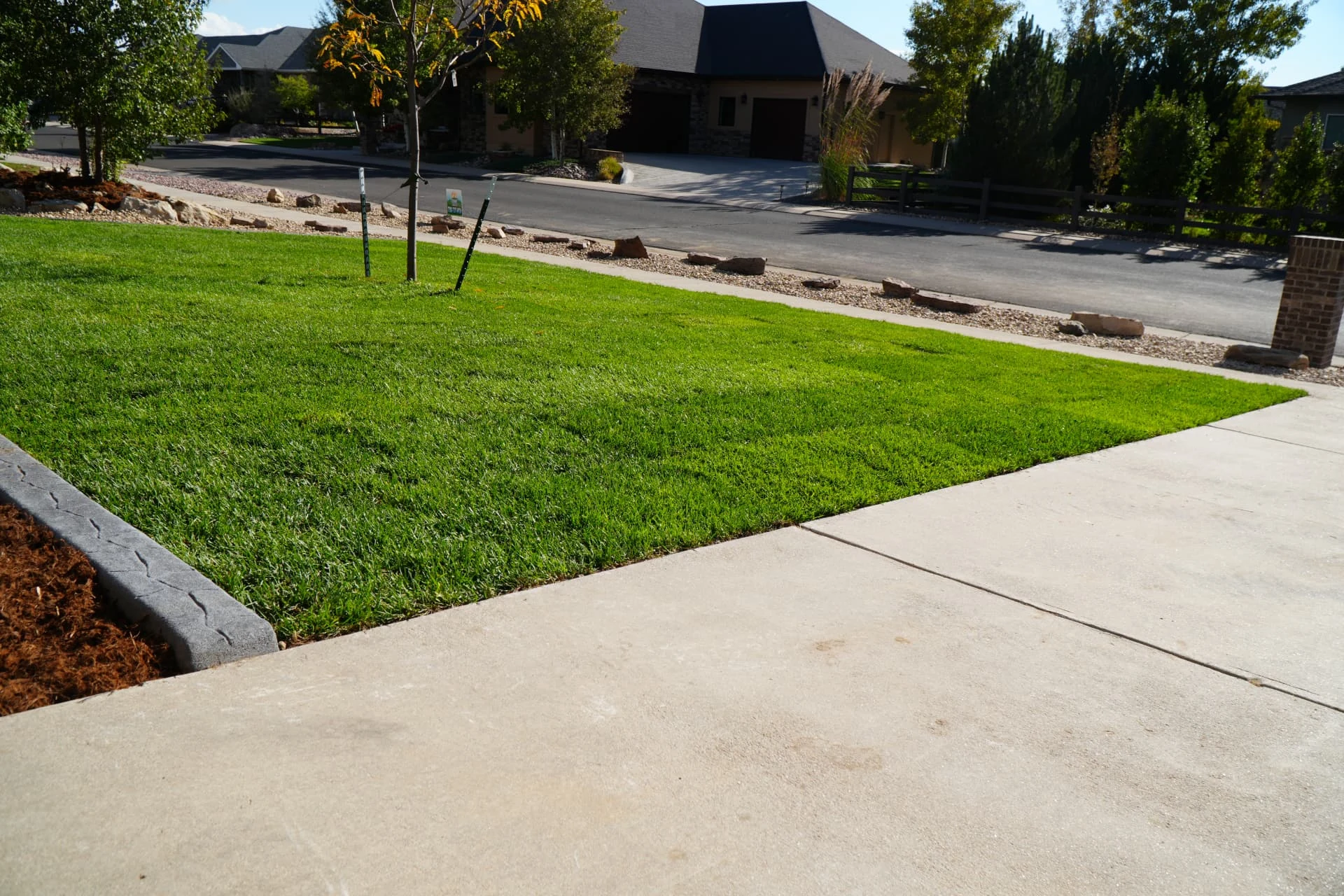
Late-summer lawn stress is common in Denver, Greeley, and nearby areas, but brown patches and dry spots do not have to take over your yard. With proper sprinkler coverage, leak repair, timer adjustments, and smart watering habits, homeowners can protect their lawn through the end of the season.
Contact Calaway Sprinklers for sprinkler repair, irrigation service, leak repair, and lawn maintenance support across Denver, Greeley, and surrounding Front Range communities.