Denver Sod Installation and Sprinkler Prep
New sod can quickly change the appearance of a Denver yard, but the work that supports it starts before the rolls arrive. The surface beneath the grass and the watering system around it both deserve attention.
If you are replacing a disappointing lawn, first ask why it struggled. New grass laid over the same unresolved conditions may leave you facing a familiar problem later. Irrigation is one part of that review, alongside soil conditions, shade, drainage, and how the space is used.
Planning sod installation and sprinkler preparation together gives each task a place in the project. It also helps you know what needs to be ready on installation day.
Begin with the history of the existing lawn
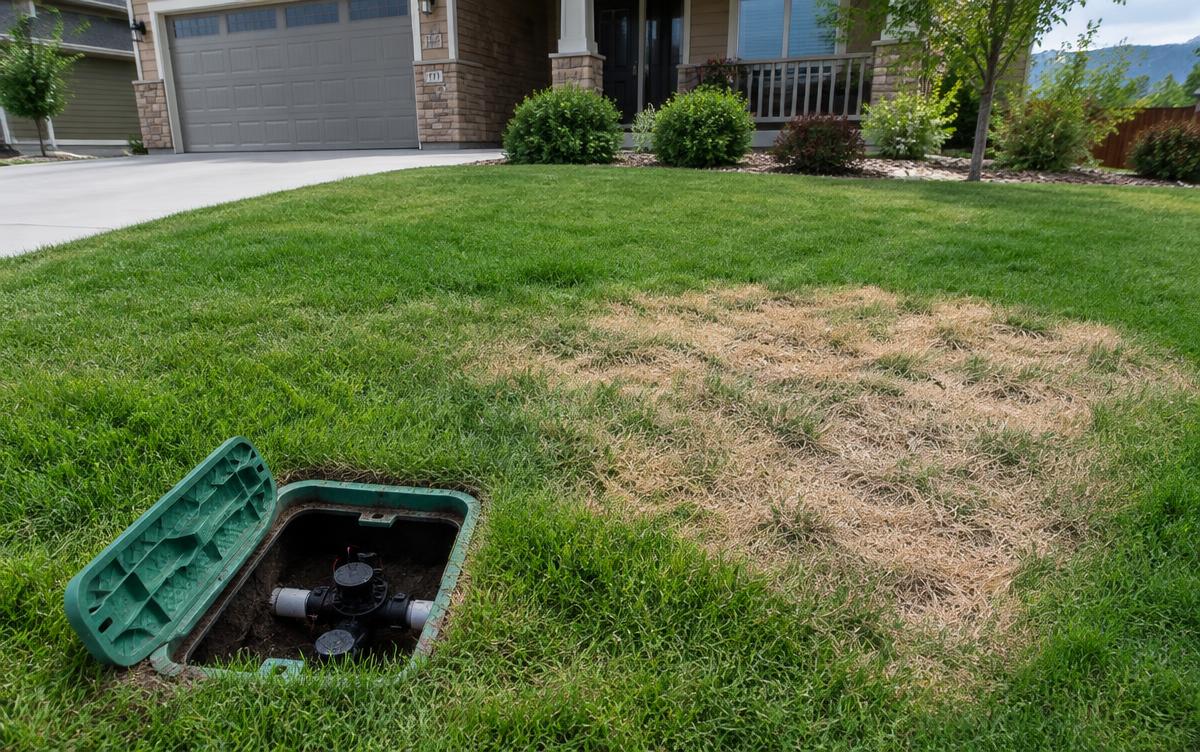
Before removing grass, take photos and mark where recurring problems appear. Note whether the weak areas follow a shaded fence, a heavily used route, the edge of a patio, or a particular sprinkler zone.
Describe what you have already tried. Did changing the schedule affect the whole lawn or only part of it? Has the area always struggled, or did something change after construction?
These observations do not establish a diagnosis by themselves. They help focus the evaluation and prevent useful information from disappearing when the old lawn is removed.
Colorado State University Extension's lawn renovation guidance emphasizes addressing the reasons a lawn deteriorated as part of renovation planning. That is a useful starting point whether your project involves one damaged section or a larger replacement.
Confirm the lawn boundaries before moving sprinklers
Decide where you want grass to remain before finalizing irrigation changes. A lawn used for play may need a different shape from a narrow decorative strip beside a walkway.
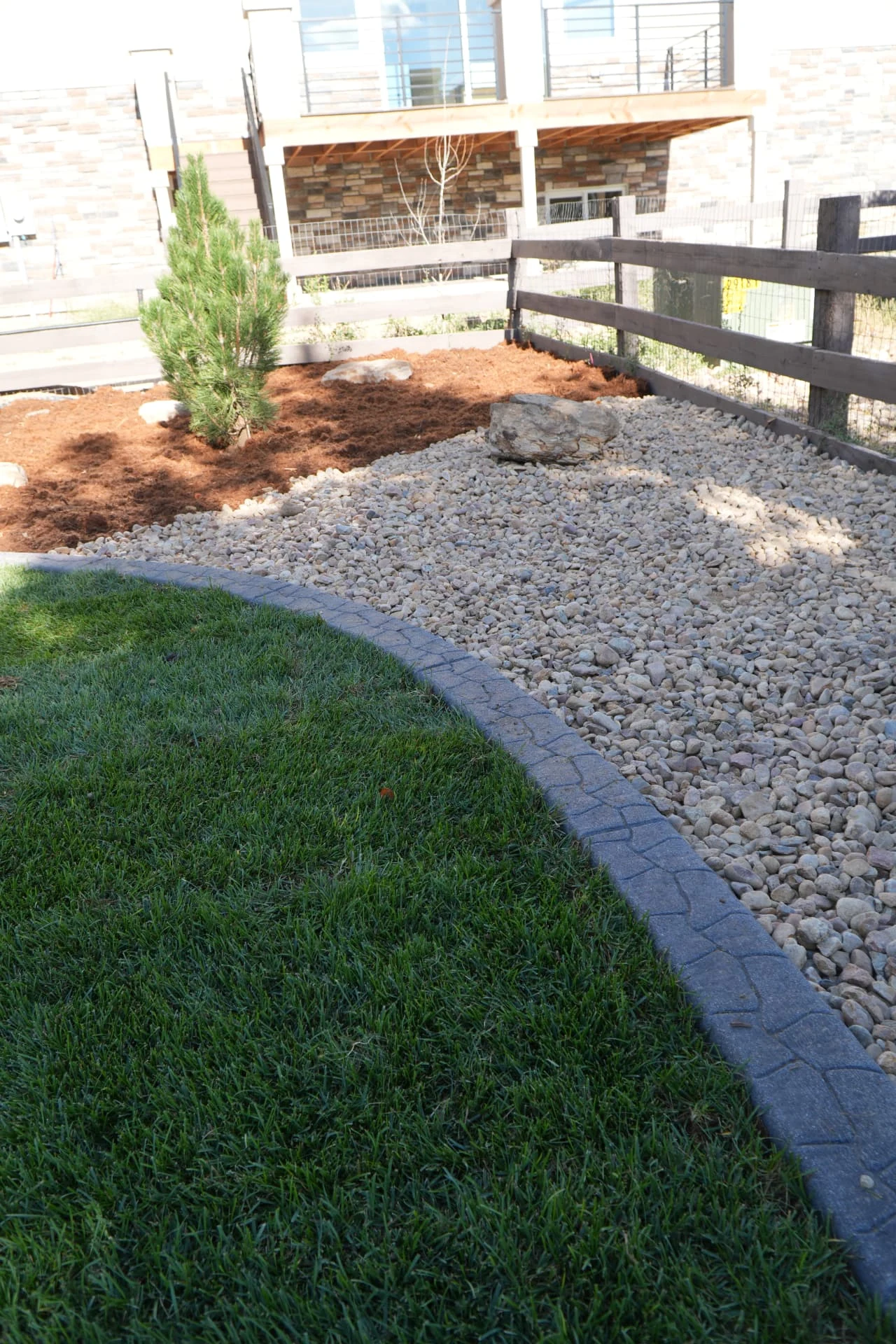
Mark future planting beds, paths, and patio edges on the plan. Then review whether the sprinkler coverage fits those boundaries.
A simple example is a homeowner replacing a corner of the lawn with a garden bed. Installing sod across the old outline and changing the bed later creates two rounds of work. Agreeing on the final shape first gives the sod and irrigation plans the same target.
For a larger refresh, discuss landscaping services alongside the lawn replacement so the project sequence is clear.
Test the existing irrigation before sod arrives
Run the relevant zones while the existing layout is still visible, provided the system is operational and conditions allow. Observe what gets wet, what stays dry, and whether any water lands outside the proposed lawn.
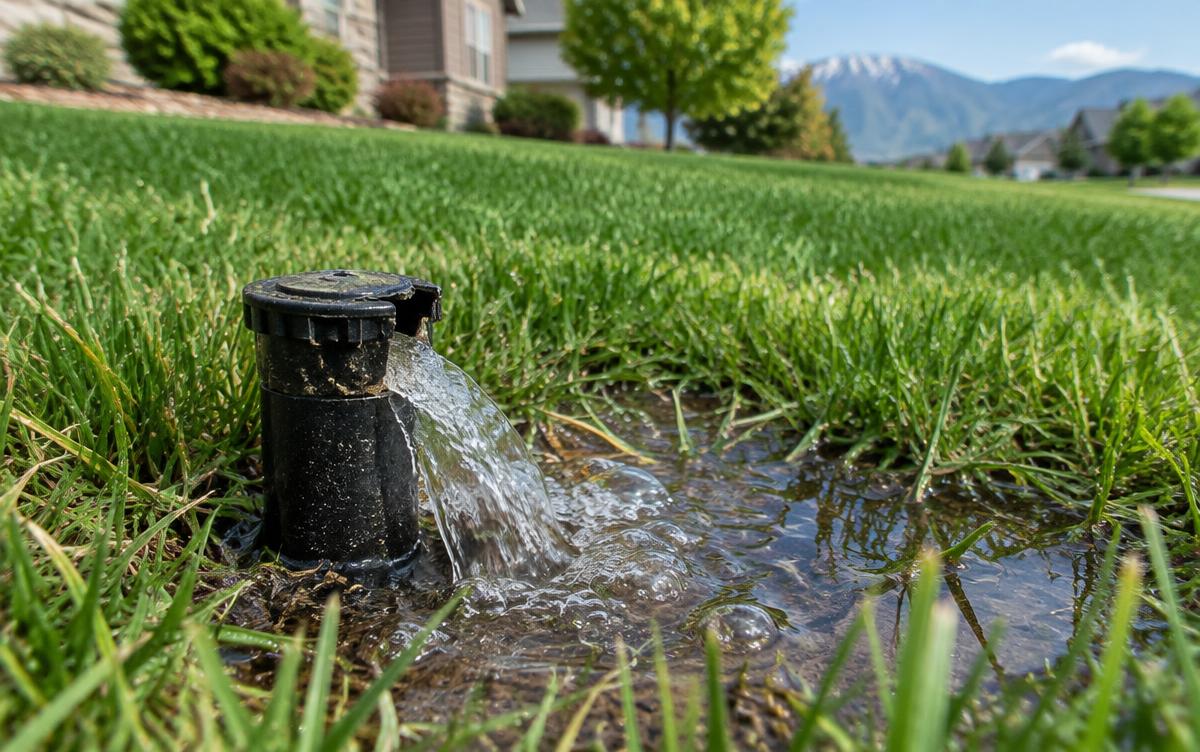
Look for tilted heads, spray blocked by plants, and areas where the spray does not reach as expected. Share those observations with the installer rather than assuming that longer watering will compensate.
A coverage review should consider the whole zone, not just whether each head produces water. Colorado State University explains in its irrigation design guidance why overlapping coverage matters for even application.
If adjustments are required, ask how they will be coordinated with lawn removal and soil preparation. The goal is to have a suitable watering system ready when the new grass needs it.
Resolve soil preparation and finished height together
Sod needs a prepared surface that allows contact with the soil beneath it. Covering an existing lawn with new rolls is not a substitute for preparing the site.
Ask what the removal and preparation work includes. Will old grass and debris be removed? Are there low areas to address? Would soil testing help guide amendments?
Colorado State University's sodding guidance discusses preparation, soil contact, and care after installation. The appropriate work depends on the site, so avoid ordering amendments simply because they appeared on a generic checklist.
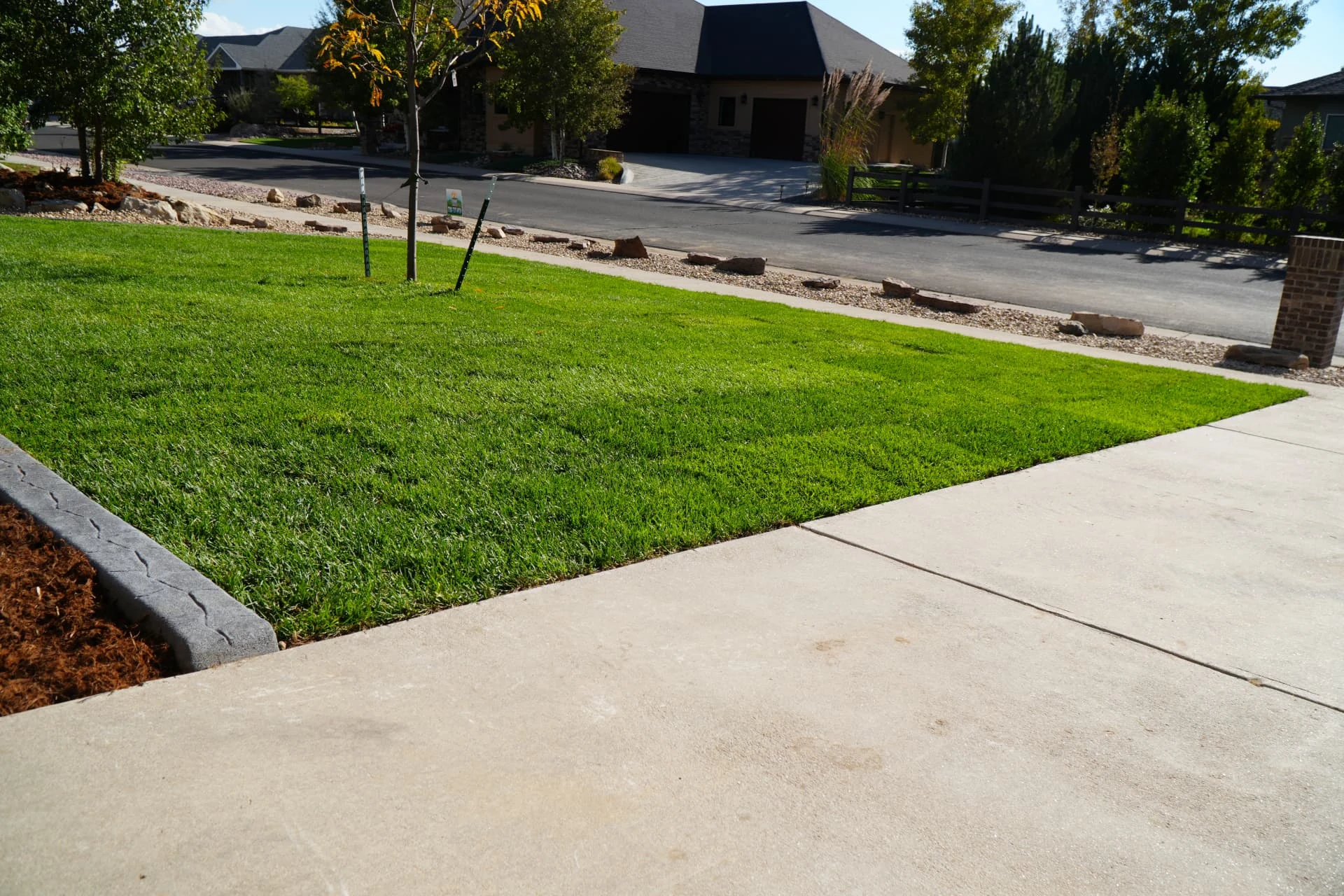
Finished height matters around sidewalks, edging, and sprinkler heads. Have the installer account for the sod layer when planning those transitions. After installation, check that the heads rise and operate without the new surface interfering with them.
Arrange an establishment watering plan
Newly installed sod and an established lawn are at different stages. A schedule that maintained your old grass may not meet the needs of the new installation.
Colorado State University's guidance recommends keeping new sod and the underlying soil moist without making them soggy. As the grass establishes, watering changes to support deeper roots.
The practical schedule depends on conditions. Ask your installer how to monitor moisture, what signs should prompt a call, and when to reassess the program. Avoid treating a fixed number of minutes as suitable for every yard.
Before scheduling delivery, check your water provider's current requirements for new landscaping. Ask whether an establishment watering allowance or permit is needed. Confirm the applicable process rather than assuming new sod is automatically exempt from normal rules.
Coordinate installation day and the first weeks
A watering plan is only useful if someone can carry it out. If you will be away, arrange for a person to check the lawn and respond to problems.
Before the crew leaves, ask for a walkthrough covering:
- Which zones water the new sod.
- The initial controller settings and when to review them.
- How to check moisture without disturbing the lawn unnecessarily.
- Guidance on foot traffic and the first mowing.
- Who to contact if a section dries out or water collects.
A photograph of the starting settings can help you track later changes. Keep the instructions with your project information so another household member can follow them too.
Plan Denver sod installation from the ground up
A successful lawn project includes more than choosing the grass. Reviewing the old lawn, setting the final boundaries, preparing the soil, and checking irrigation creates a clearer plan for installation and care.
Calaway Sprinklers offers sodding and removal, landscaping, and irrigation services for Denver-area homeowners. Whether you are replacing a lawn in Denver, Arvada, or Lakewood, discuss the ground preparation and watering system as part of the same project.
Contact us to talk through your lawn replacement and the sprinkler work it may need.
Request a Quote or call 720-737-6936.