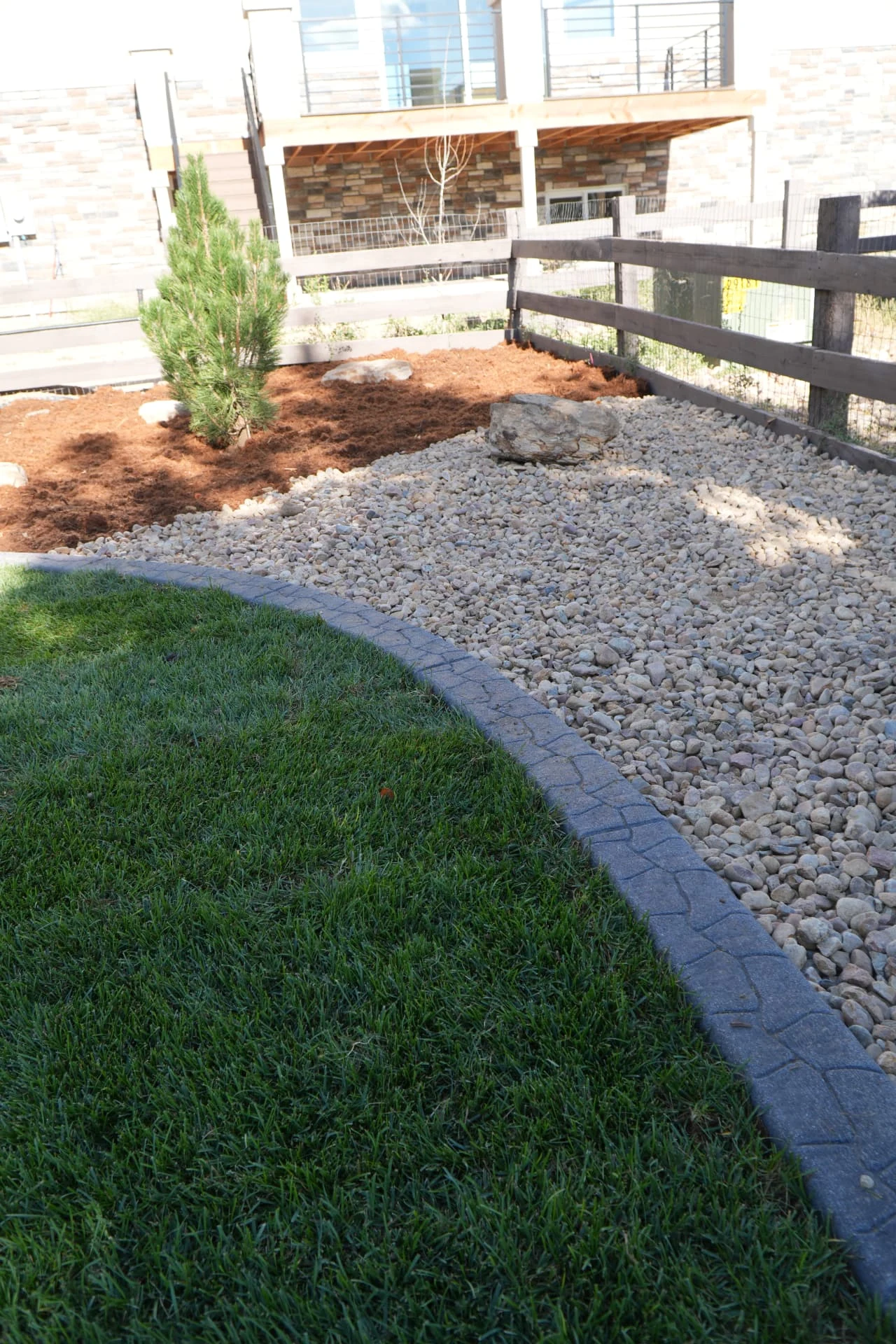
Landscape Design in Denver in Phases
A phased landscape project starts with a plan for the whole yard, then divides installation into manageable steps. For Denver homeowners, this can mean improving the front yard first, adding planting beds later, and completing a backyard gathering area when the budget allows.
The important part is deciding how those improvements will work together before construction begins. Otherwise, a new bed might end up where a future walkway belongs, or sprinkler lines may need to be moved through recently finished landscaping.
Landscape design helps turn individual ideas into a clear project. It gives you a way to prioritize spending while keeping the finished yard in view.
Start with how you want to use the property
Before choosing plants or stone, describe what you want the yard to do. Think about an ordinary week at home, not only how the property should look in a photograph.
Do you need an open area for children? A more direct route from the driveway to the door? Privacy around a sitting area? Less lawn to maintain?
Choose two or three priorities and identify features you want to keep. An existing tree, a useful patio, or a favorite planting bed can become part of the plan.
For example, a homeowner might prioritize a comfortable entrance now and a backyard seating area later. Knowing both goals early helps the designer reserve space and consider access for future installation.
Separate the overall design from the first installation phase
The overall design describes the intended finished landscape. The first installation phase describes the work you are ready to complete.
Keep those documents connected. A phase should be useful on its own while fitting the longer-term plan.
Calaway Sprinklers provides landscape design in Denver, including design packets that coordinate plants, hardscape, and outdoor features. When discussing a project, explain whether you want a complete installation or a plan that can guide several stages.
Ask which decisions need to be settled immediately. The location of a future path may matter now even if its final material can be chosen later.
Review the site before assigning the budget
Two yards of similar size can require different preparation. Sun exposure, existing trees, drainage, soil conditions, and access all influence what can reasonably be built.
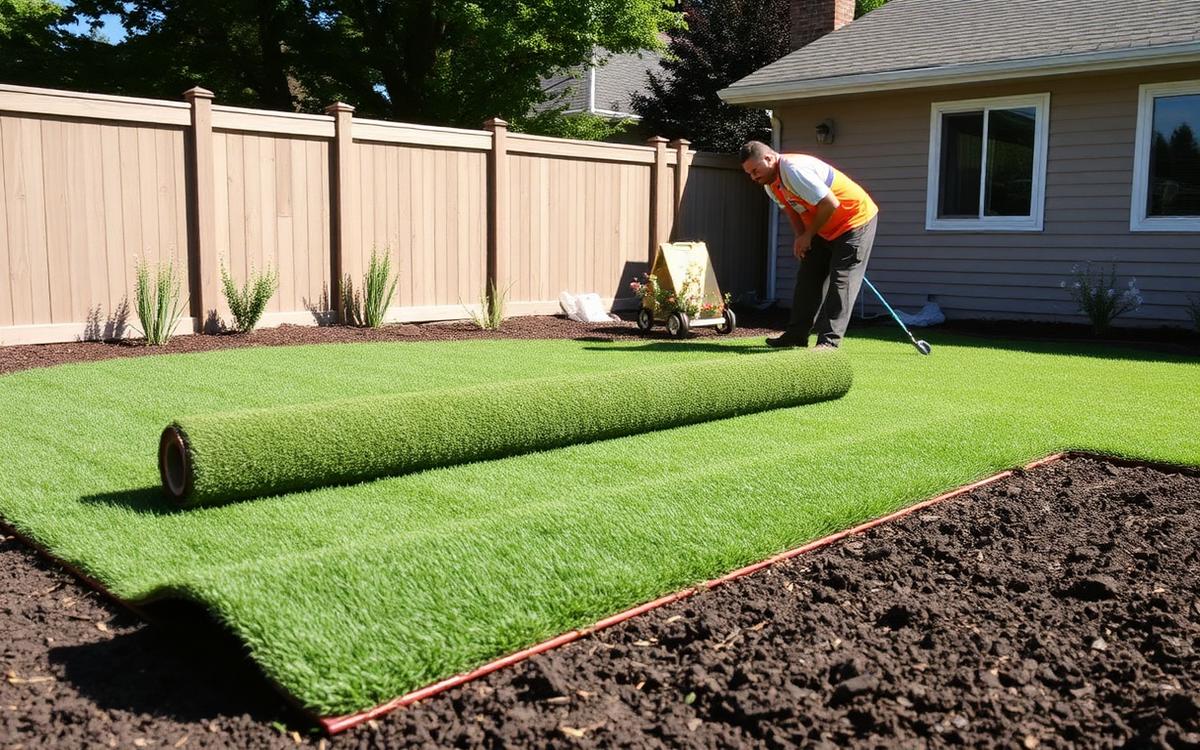
During a walkthrough, point out where water collects, where plants repeatedly struggle, and which areas you avoid using. Photographs taken after rain or during the growing season can make those conversations more useful.
Also discuss how materials and equipment will reach the work area. If the only route to the backyard crosses the front yard, completing every front-yard detail first may create avoidable disruption.
These observations help distinguish necessary preparation from optional finishing touches. That makes it easier to set priorities without assuming the most visible feature must come first.
Coordinate irrigation with the finished layout
A phased makeover should account for the watering needs of both existing and future planting areas.
Suppose you plan to keep a central lawn but convert its edges to shrubs and perennials. Ask how the retained grass and new beds will be watered independently. A planting change should not leave the remaining lawn without suitable coverage.
Calaway's sprinkler and drip irrigation services can be discussed alongside the landscape plan. The scope should identify what remains, what changes, and when the changes occur.
Keep irrigation access points in mind too. A finished bed should allow practical access to valves and other serviceable components. Include those locations on the plan rather than discovering an access problem after installation.
Choose phases around dependencies
There is no single installation order that works for every property. The useful question is whether one task depends on another.
Before approving a phase, ask:
- Will later work require digging through this area?
- Does the finished height depend on nearby grading or paving?
- Will construction access disturb new plants?
- Is the watering system ready for the proposed planting?
- Can this phase remain tidy and usable until the next one?
A hypothetical first phase might address site preparation and a main walkway. A later phase could complete adjacent planting beds once their boundaries are fixed. Another property may be able to begin with a small independent front-yard bed.
The order should follow the site and project, not an arbitrary rule about which feature looks best first.

Make the estimate easy to compare
Ask for each phase to have a defined scope. Identify included materials, installation work, site preparation, and any restoration of disturbed areas.
Discuss what is excluded as well. A design fee, irrigation changes, removal of existing material, or future maintenance may be handled separately.
Keep a list of optional choices so you can adjust the budget without losing track of essential work. Changing a decorative material is a different decision from postponing work needed to support the installation.
Before proceeding, confirm whether later phases require updated pricing or design revisions. A plan can guide future decisions without implying that material availability or project costs will remain unchanged.
Common questions about phased landscape design
Can I landscape only the front yard first?
Yes, provided the front-yard work fits your longer-term plans. Review future access, irrigation connections, and any paths or grading that link the front and backyard before finalizing the first phase.
Can existing plants remain in the design?
They may be able to remain if their condition, size, and location suit the project. Identify plants you want to retain during the initial walkthrough so the design can account for them.
Is November useful for planning a landscape project?
November can be useful for discussing goals, reviewing the layout, and developing a scope. Actual installation depends on weather, soil conditions, materials, and the type of work. Planning does not require committing to immediate planting.
Build your Denver landscape around a clear plan
A phased project works best when each improvement contributes to the same finished yard. Establish the layout, review the site, and coordinate irrigation before deciding which work comes first.
Calaway Sprinklers offers landscape design and installation for Denver-area homeowners. Whether you are planning a front-yard refresh in Arvada or a broader makeover in Lakewood, start with a conversation about your priorities and how you want to use the property.
Request a Quote or call 720-737-6936.