

The “Mystery Water Bill” Problem (and Why It’s Often Your Sprinklers)
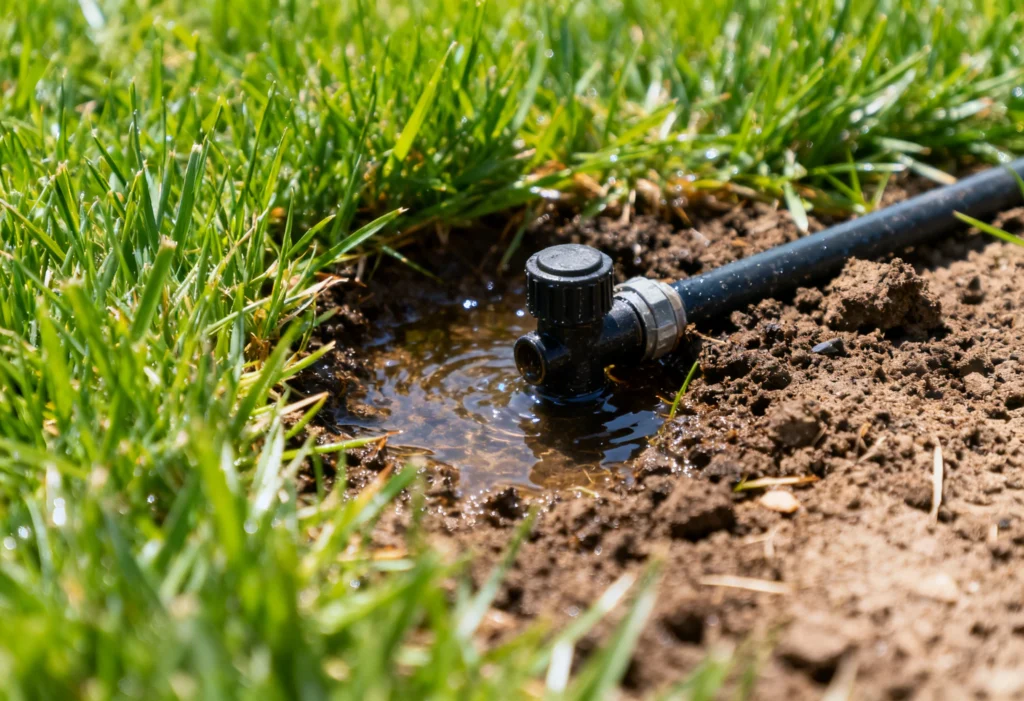
If your water bill suddenly jumped, it’s easy to blame the weather or assume rates changed. But for many Greater Denver Area homeowners, the real cause is simpler: a sprinkler leak you can’t easily see.
Irrigation leaks don’t always show up as a dramatic geyser. Some leaks stay underground, quietly wasting water every time your system runs—sometimes for weeks—until the bill arrives or your yard starts showing symptoms.
Calaway Sprinklers helps homeowners across Denver and nearby communities find and fix sprinkler leaks fast—before they turn into bigger repairs or landscape damage.
7 Hidden Sprinkler Leaks Homeowners Commonly Miss
1) A cracked sprinkler head or broken seal
A head can crack, loosen, or develop a bad seal at the base. Instead of spraying properly, it may leak around the stem or pooling near the head.
What you’ll notice: soggy grass around one head, lower spray distance, or a head that “bubbles” at the base.
2) A leak in a swing joint or fitting
The connection under a head can fail due to soil shifting, mowers, or freeze/thaw cycles.
What you’ll notice: one head looks weak or tilted, plus a soft spot around it.
3) A valve that won’t fully close
When a valve sticks open (even slightly), water may keep flowing after the cycle ends.
What you’ll notice: a zone that seems “always damp,” heads that dribble water, or a zone that runs longer than programmed.
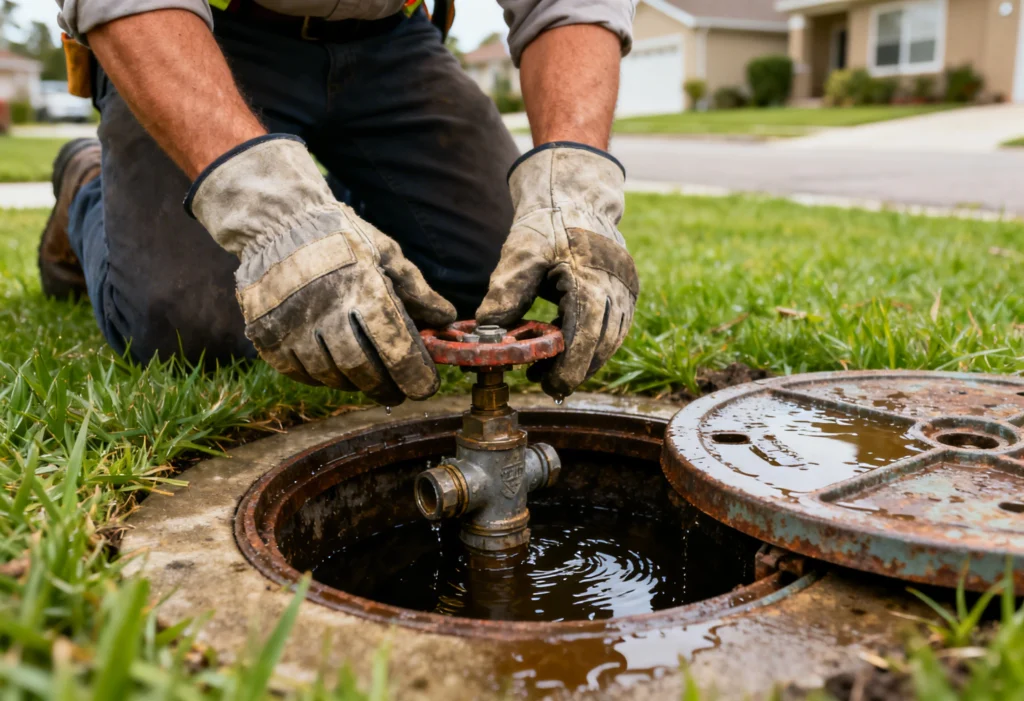
4) A leaking valve box
Valve boxes can collect water from small leaks—sometimes it’s the first place a hidden issue shows itself.
What you’ll notice: standing water or muddy soil inside the valve box.
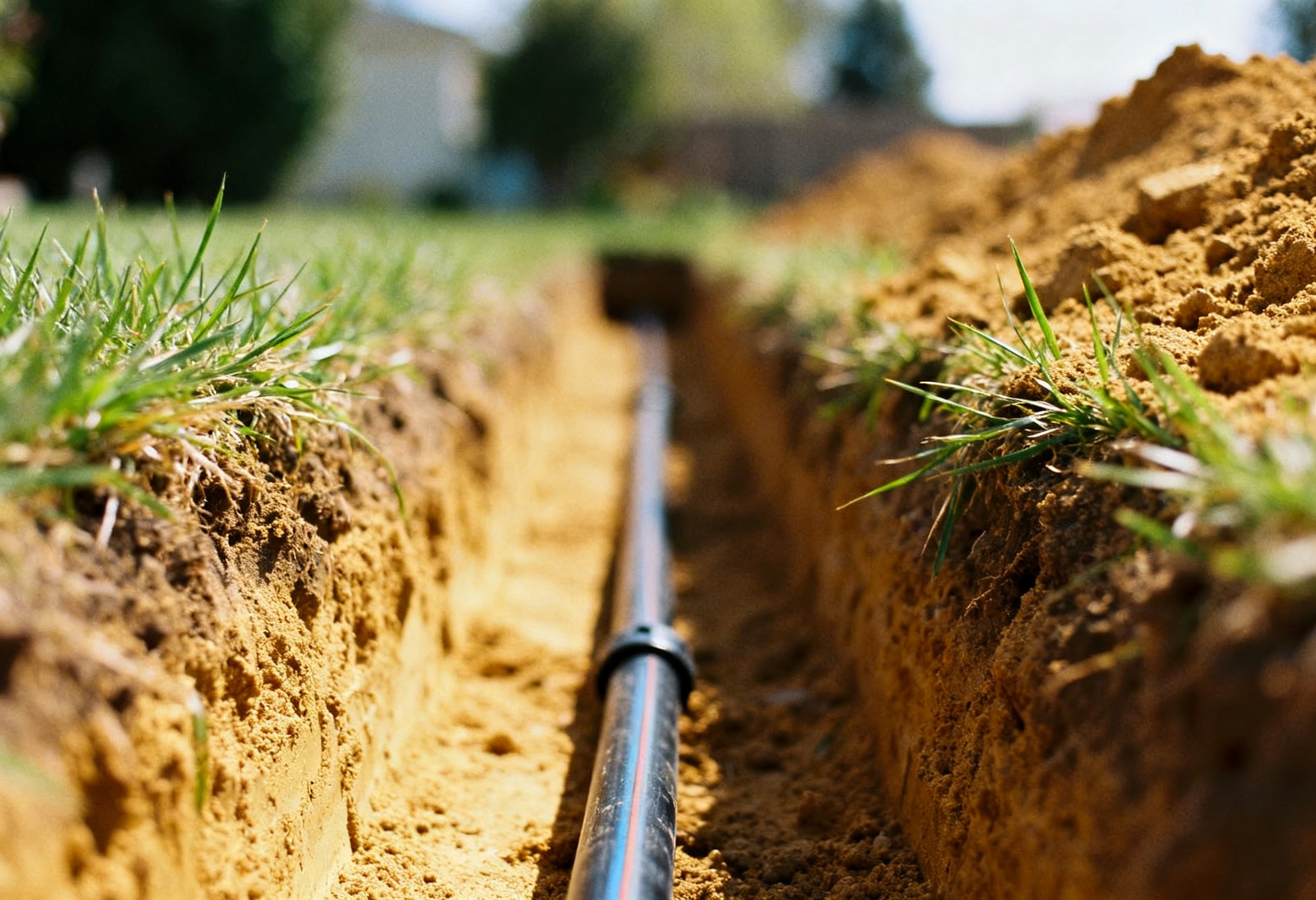
5) A split underground line
This is a big one. Lines can crack from freezing, age, accidental digging, or pressure problems.
What you’ll notice: a mushy area that never dries, sunken spots, or a zone that suddenly has weak pressure.
6) A controller/timer issue that over-waters
Sometimes the “leak” is actually a schedule problem—watering too often or running too long because of settings, power resets, or a failing controller.
What you’ll notice: lawn constantly wet, runoff on sidewalks, or zones running at odd times.
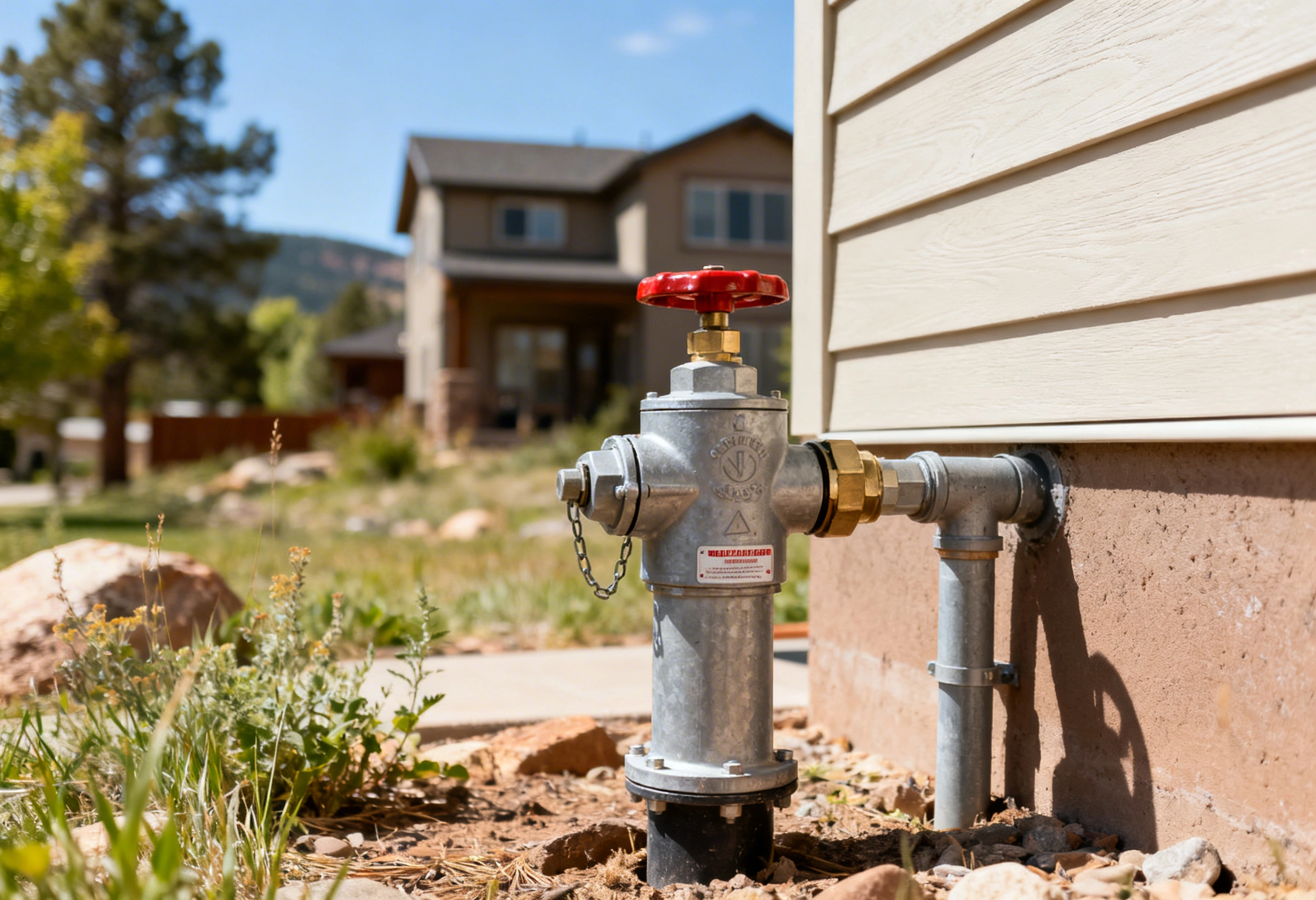
7) Backflow-related leaks near the assembly
If you see dripping, corrosion, or wetness around backflow components, that’s not something to ignore.
What you’ll notice: water near the device, visible mineral buildup, or damp soil by the foundation.
Quick DIY Checks Before You Call
You don’t need special tools to spot many irrigation leaks. Try this:
- Run one zone at a time for 2 minutes and walk the area
- Look for bubbling, pooling, misting, or uneven spray
- Check your valve box for standing water
- Watch for one zone with noticeably lower pressure than the others
- Confirm your controller isn’t set to water more than intended
If you suspect a buried line leak, a valve problem, or backflow-related issue, it’s usually best to call a pro. Hidden leaks can wash out soil, damage roots, and waste a lot of water quickly.
Why Fast Leak Repair Matters
A hidden sprinkler leak doesn’t just raise the bill. It can also:
- Create muddy patches and erosion
- Cause root damage from constant saturation
- Lead to fungus and lawn disease
- Reduce pressure so other areas get under-watered
- Turn a small repair into a larger replacement
How Calaway Sprinklers Helps
Calaway Sprinklers repairs leaks, restores proper pressure, fixes coverage issues, and can replace outdated timers/controllers so your watering stays predictable and efficient. If your water bill spiked—or your yard is suddenly soggy in one area—getting it checked early is the smartest move.
If your water bill is climbing and you can’t figure out why, your sprinkler system may be leaking out of sight. Calaway Sprinklers can find the problem, fix it fast, and get your irrigation back to clean, even watering across your yard in the Greater Denver Area.