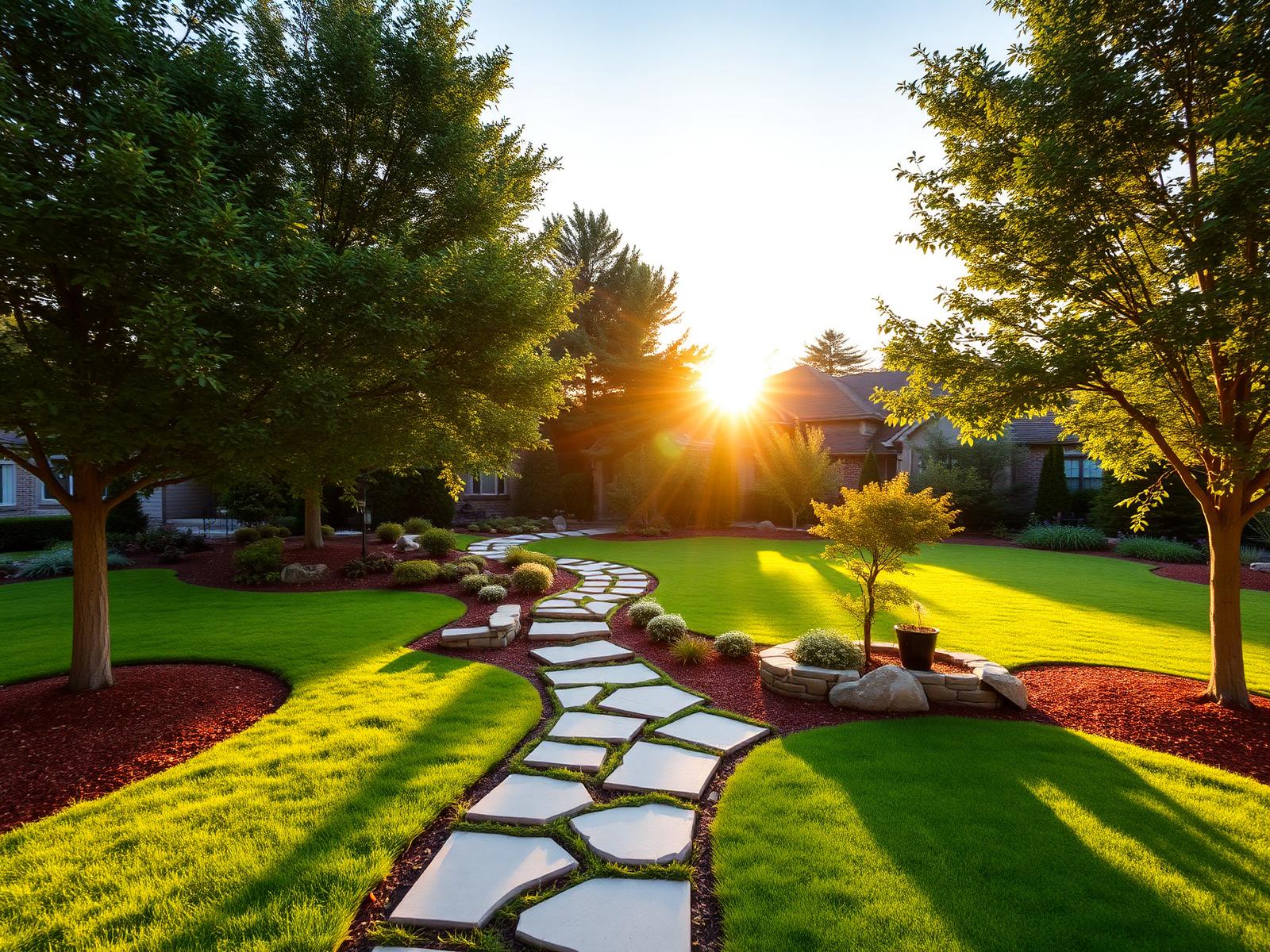
Late June Lawn Maintenance Tips for Denver Homeowners Before July Heat Hits
By late June, lawns across Denver, Greeley, and nearby Front Range communities are starting to feel the pressure of longer days, hotter afternoons, and heavier sprinkler use. With July right around the corner, now is the perfect time to make sure your lawn and irrigation system are ready for summer conditions.
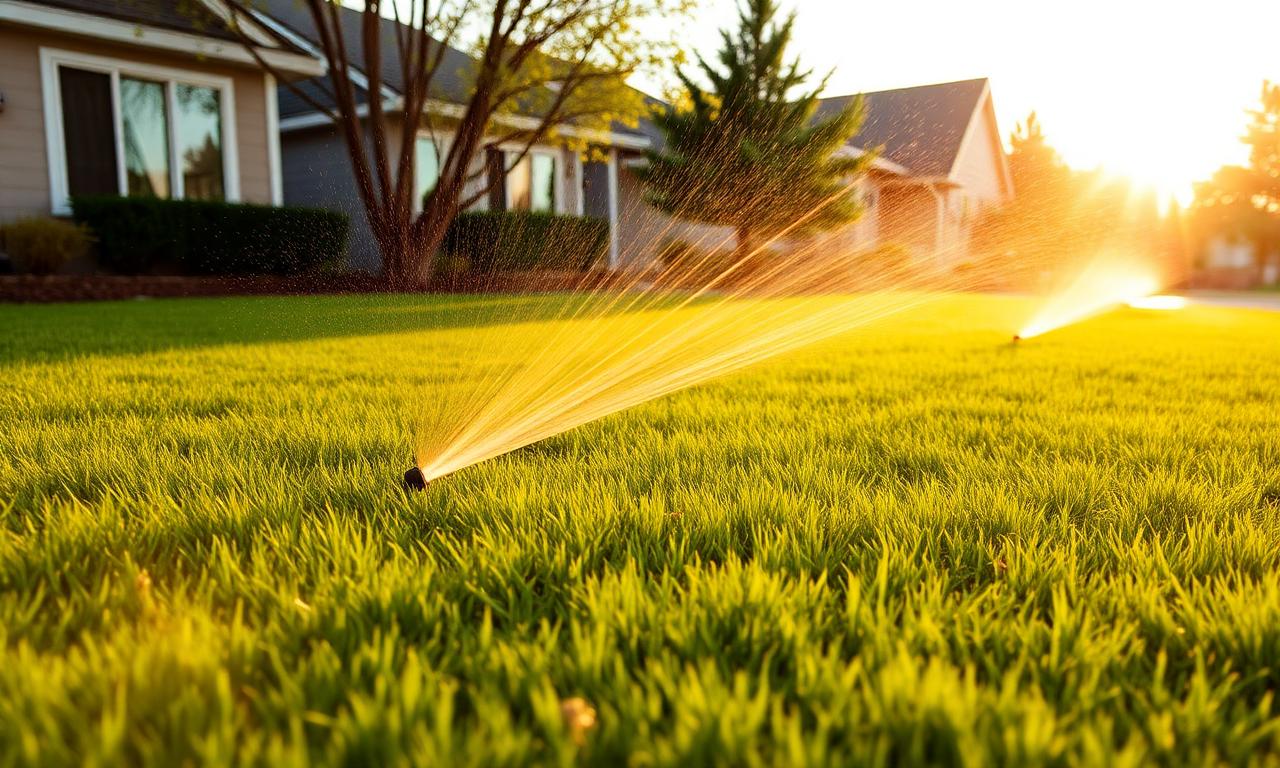
A healthy lawn does not happen by accident. It takes the right mowing habits, smart watering, and a sprinkler system that delivers even coverage without wasting water. If your lawn already has dry patches, soggy spots, or uneven growth, those problems can get worse once the July heat sets in.
Check Your Sprinkler Coverage Before July
One of the biggest lawn maintenance mistakes homeowners make is assuming the sprinkler system is working correctly just because it turns on. A system can run every morning and still leave parts of the lawn under-watered.
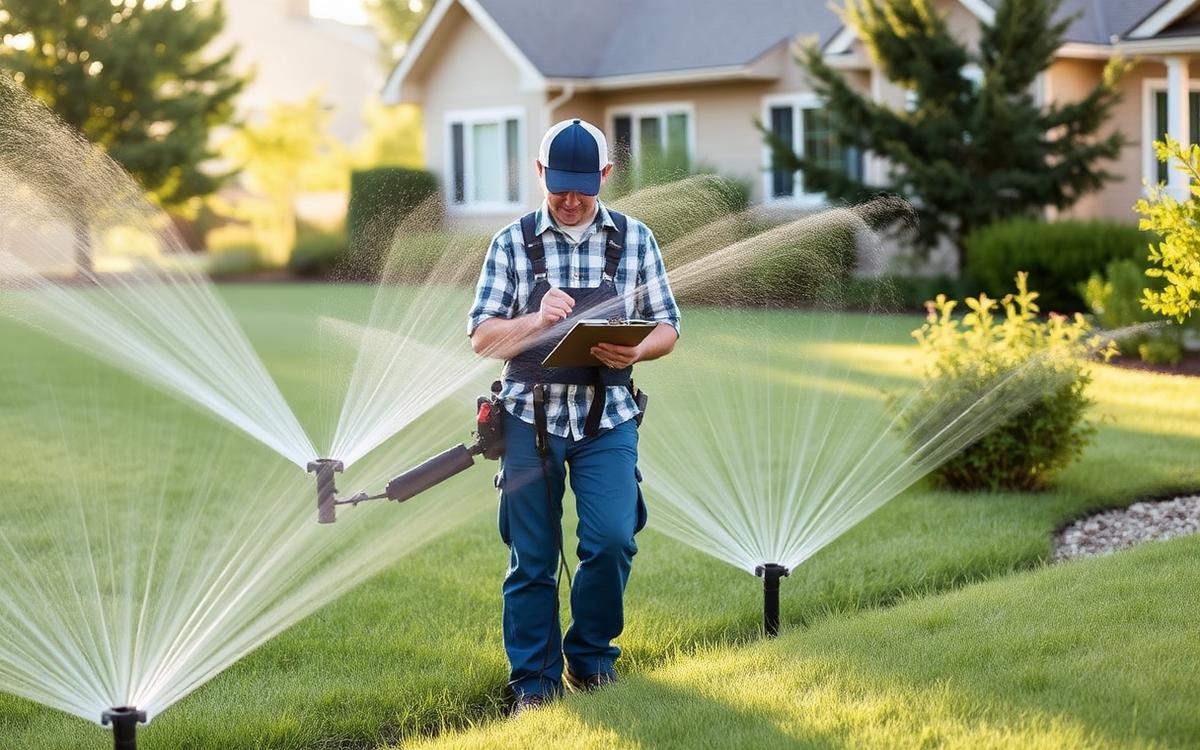
Walk through your yard while each sprinkler zone is running. Look for:
- Sprinkler heads spraying sidewalks, fences, or driveways
- Dry corners or strips along the edge of the lawn
- Low spray from one or more heads
- Water pooling around a sprinkler head
- Misty spray that blows away before reaching the grass
- One zone that looks weaker than the others
These are signs your system may need adjustment, repair, or a closer inspection. Fixing coverage issues now can help prevent brown spots in July and August.
Water Deeply, Not Constantly
When temperatures rise, it is tempting to water more often. But frequent shallow watering can encourage weak roots. A better approach is to water deeply so moisture reaches the root zone.
Early morning is usually the best time to water because there is less evaporation and wind. Watering during the heat of the day can waste water, while watering late at night may leave grass wet too long.
If your lawn still looks thirsty after regular watering, the problem may not be the schedule. It could be a broken sprinkler head, clogged nozzle, leak, or pressure issue.
Mow Higher During Hot Weather
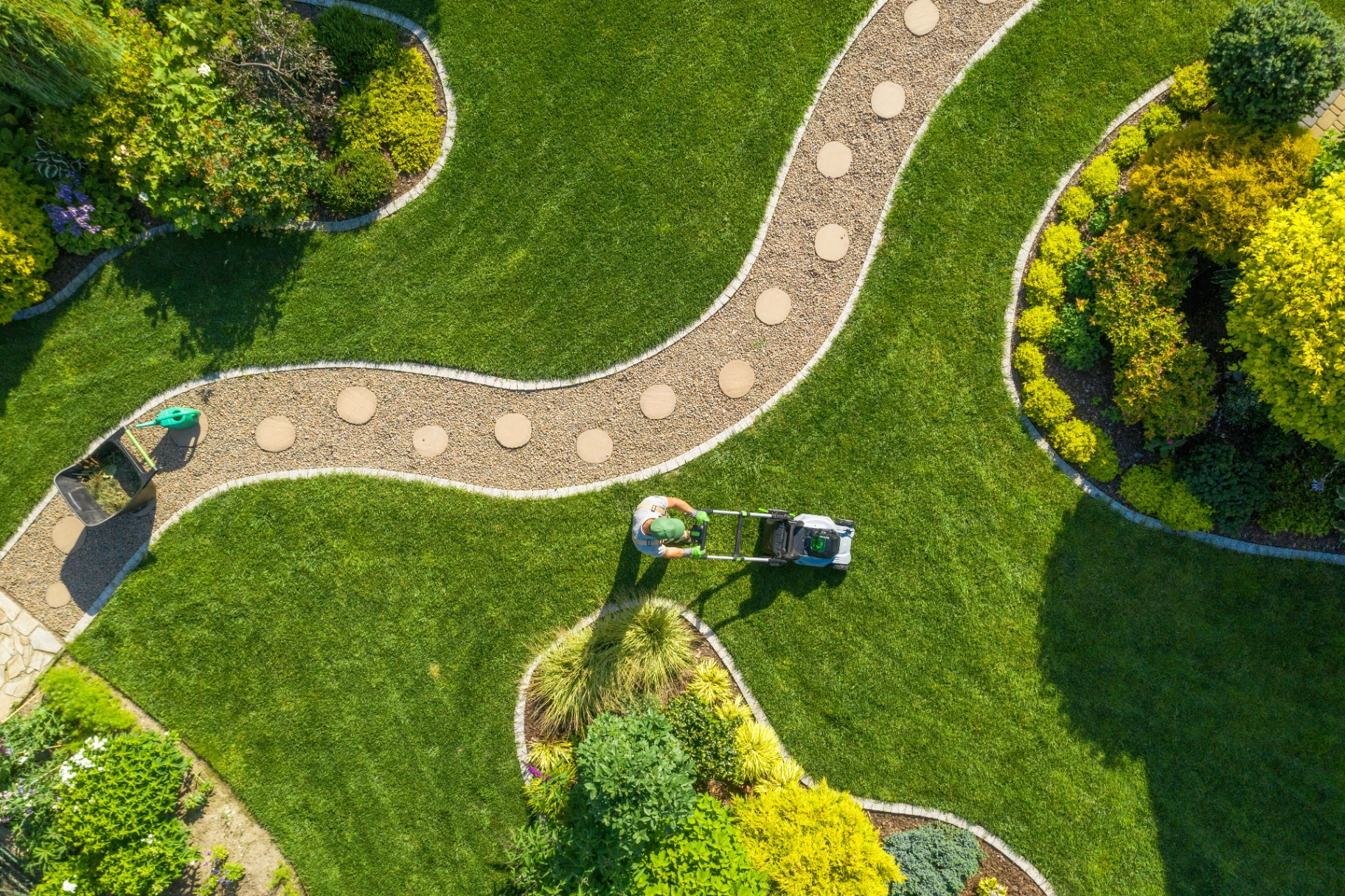
Cutting grass too short can make it dry out faster. In late June and July, mowing slightly higher helps shade the soil, protect the roots, and reduce stress on the lawn.
A few lawn mowing reminders:
- Avoid cutting more than one-third of the grass blade at a time
- Keep mower blades sharp
- Do not mow during the hottest part of the day
- Leave grass a little taller during hot, dry periods
Healthy grass is better able to handle summer heat when it is not being scalped or over-stressed.
Watch for Leaks and Soggy Spots
A sprinkler leak can quietly waste water and damage your lawn. Sometimes leaks are obvious, like a broken head spraying straight into the air. Other times, they hide underground and show up as soggy soil, sunken grass, or unusually green patches.
Warning signs of a sprinkler leak include:
- Wet areas that do not dry out
- Water bubbling near a sprinkler head
- A sudden spike in the water bill
- Low pressure in one zone
- Muddy spots around valve boxes
Calaway Sprinklers can help homeowners identify leaks, repair sprinkler problems, and restore efficient watering before the hottest part of summer.
Update Your Timer for Summer Conditions
Your sprinkler timer should not stay on the same setting all year. As the season changes, your lawn's watering needs change too.
Late June is a good time to review your controller settings and make sure your system is not overwatering or underwatering. If your timer is outdated, difficult to program, or running at the wrong times, a replacement may make lawn maintenance much easier.
Conclusion
Late June is the time to prepare your lawn before July heat puts it to the test. With proper mowing, smart watering, and a sprinkler system that works correctly, Denver and Greeley homeowners can keep lawns healthier while reducing water waste.
If your yard has dry patches, leaks, uneven coverage, or sprinkler timer issues, contact Calaway Sprinklers for professional sprinkler repair, irrigation service, and lawn support across Denver, Greeley, and nearby areas.